
Walnut Creek is a short drive from Brentwood, and the calls we get here sound like the ones at home: a bedroom that's hot upstairs, a room over the garage nobody wants to sit in, a power bill that keeps creeping up. We do the same work over in Concord and down in Dublin, and some property managers call us about commercial buildings in the city too.
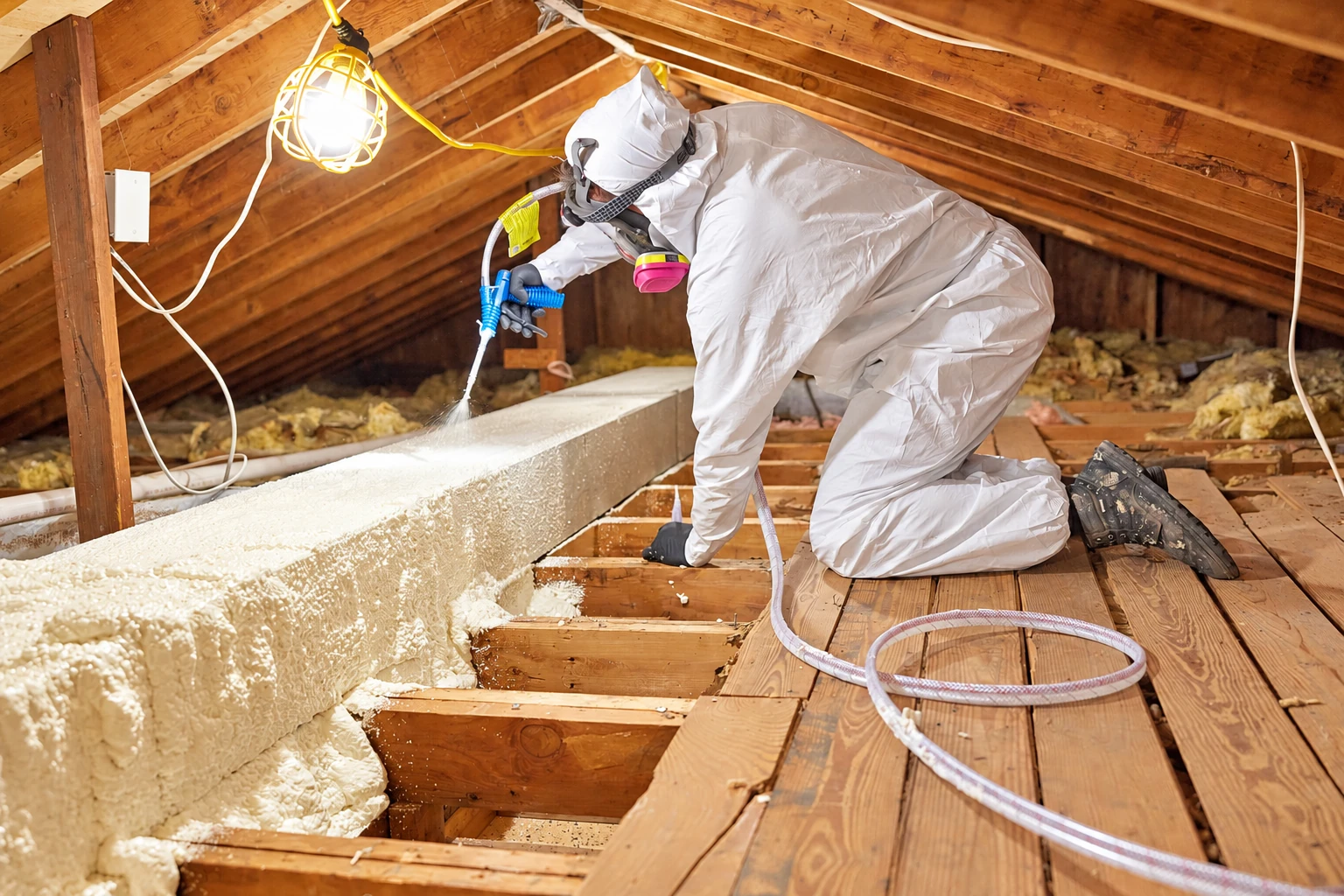
Most of what we see here is single-family houses with an attic over the living space, plus townhomes and some commercial space. Once I'm up the ladder, the story is usually familiar. The insulation has settled thin over the years, there are open gaps around can lights, pipes and the hatch, and now and then the old material is damp or full of droppings. That's what shapes the job here, because what's already in your attic decides what has to happen before anything new goes on top of it.
Who to ask about a permit here
The city's Community Development Department issues building permits for homes inside the city limits, and it requires one when you physically change your property. Its list of examples names things like re-roofing and replacing windows but doesn't mention insulation, so the list alone doesn't settle it for your attic, and the department is the place to ask. When I come out for the estimate, I'll tell you whether we're pulling a permit for your job. If we are, we handle the application and the inspection with the city so you're not left sorting it out. We're licensed and insured, and I'm glad to talk about that at the same visit.
What moves the price and the schedule
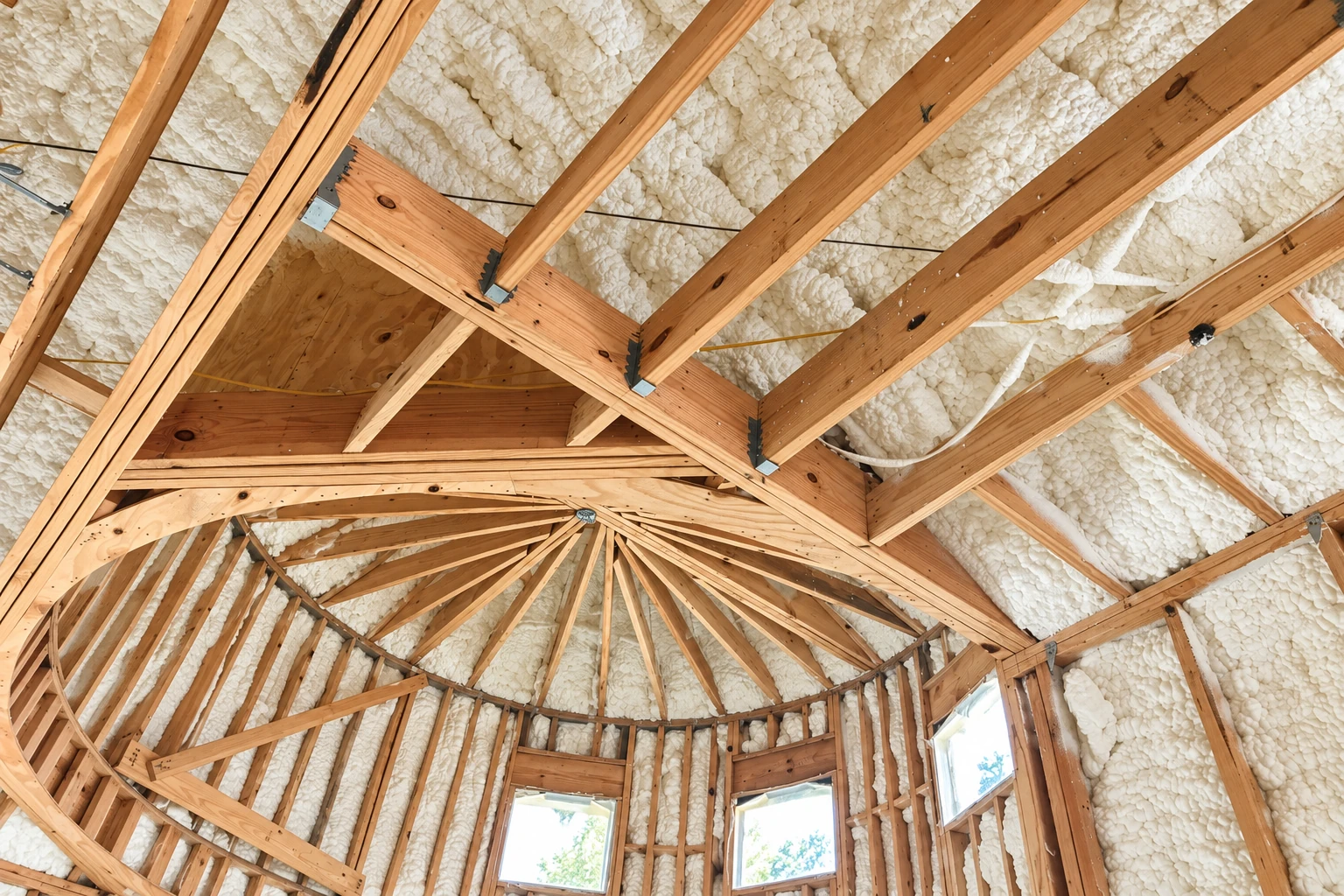
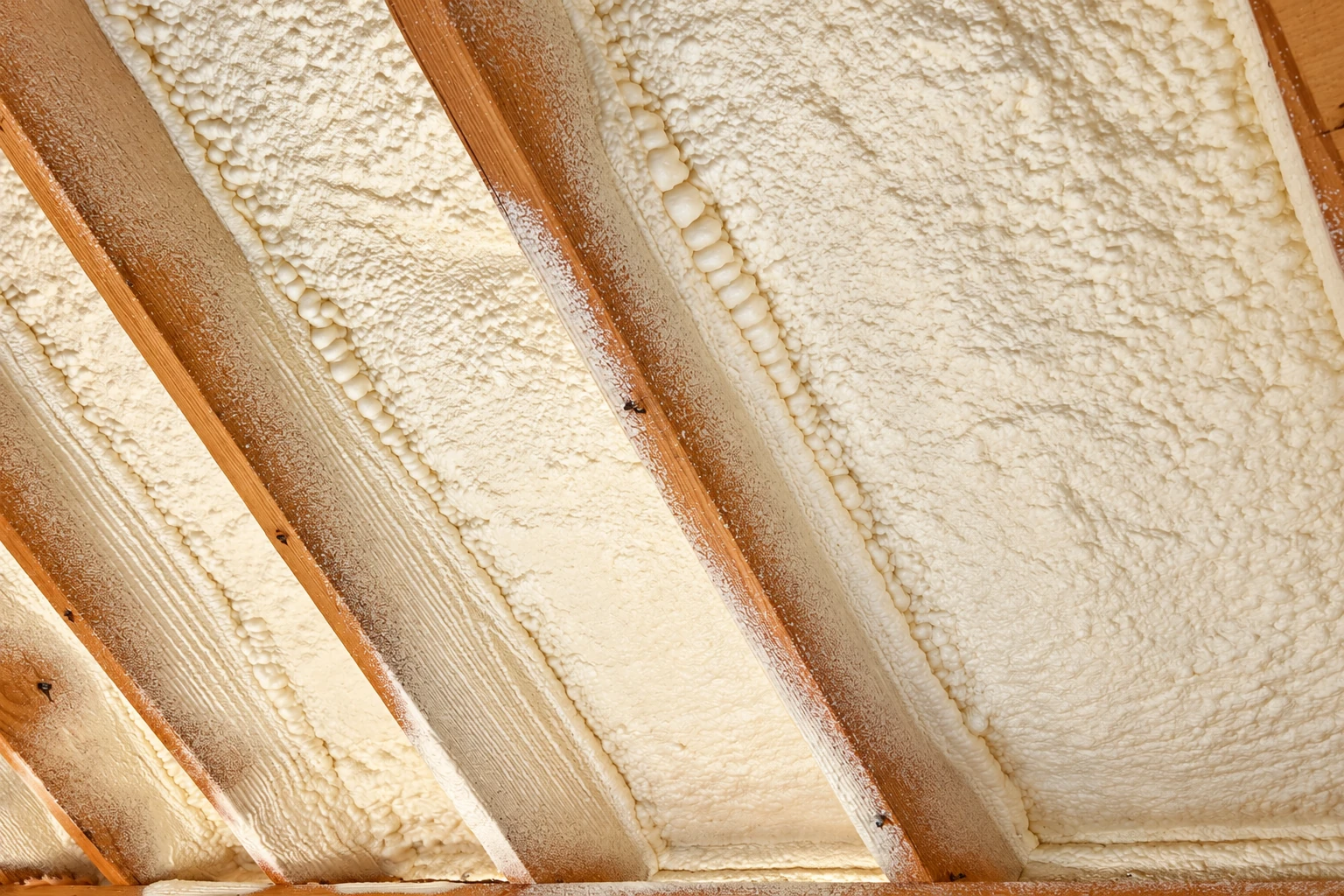
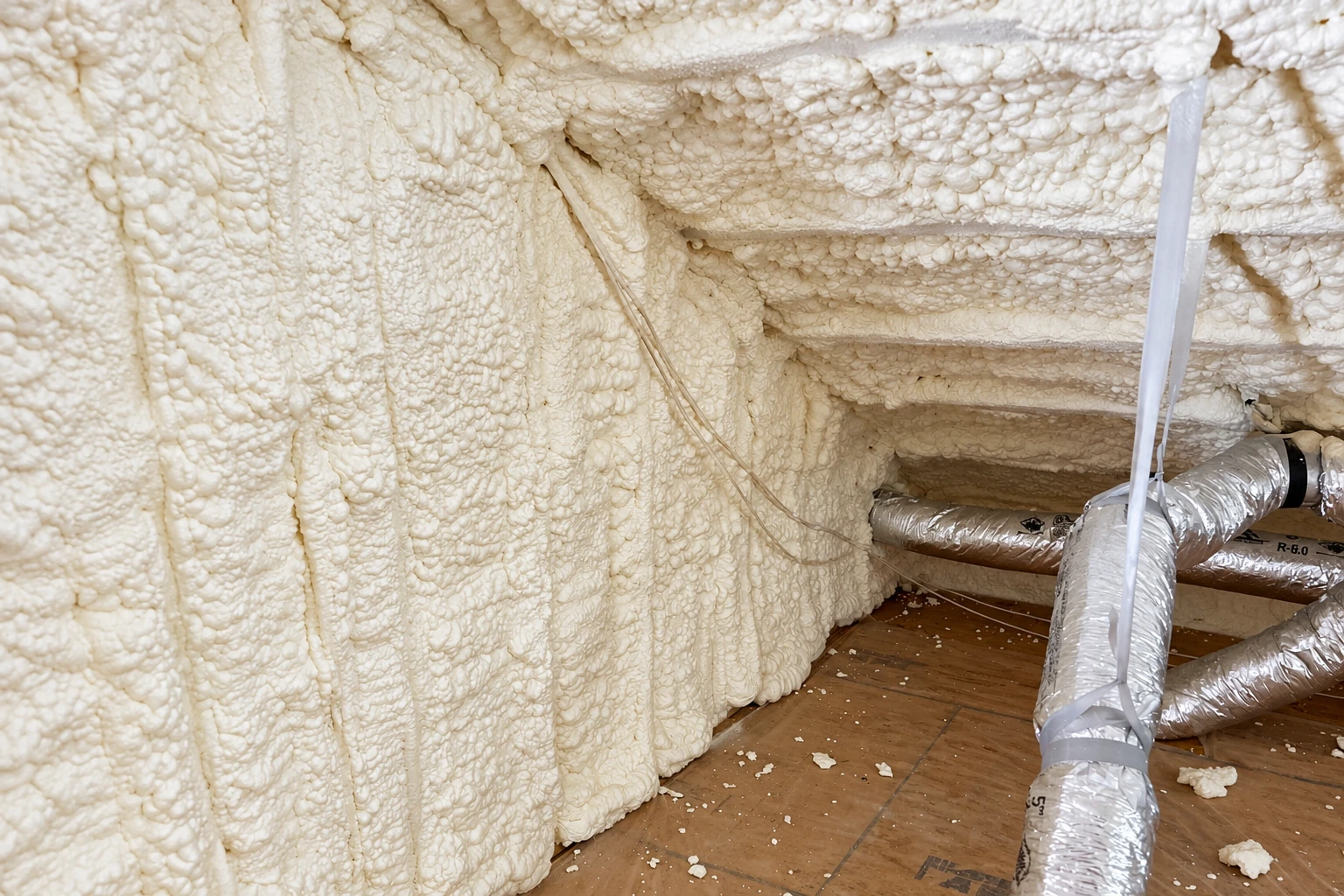
Price mostly comes down to what's already in the attic and how much has to happen before anything new goes in. I check how many inches are up there now, how old the house is, whether the old material is wet, matted or full of droppings and has to come out first, and how many gaps around lights, pipes and the hatch need sealing so the new insulation isn't fighting a draft. The material matters too, since foam costs more than loose fill. The schedule turns on that same prep and on whether your job needs a permit, which is why the written estimate lists the prep work right alongside the insulation.
Getting your attic ready for our crew
Most of the prep is ours, but a clear path to the hatch helps, so if it sits in a closet or over the garage, we'll ask you to move what's under it before our crew lead and a small crew arrive. Up top we keep to an order. Anything damp or soiled comes out, the gaps get sealed, and only then does new insulation go in, with the eave vents left open so the attic keeps breathing and the edges filled as deep as the middle. If I find a roof leak or old wiring, I'll tell you the job isn't ready yet, because I'd rather wait than do it twice.