
Crawl space vapor barrier in Brentwood CA - a liner sealed to the walls and piers
Cold floors or damp dirt under the house? We find where the water gets in first, then seal heavy plastic across the ground.
I look at your crawl space myself
I'm the one who goes under the house for the estimate, so the person pricing your job has seen the ground, the piers and any wet spots. The written estimate lists any prep work along with the liner.
Licensed and insured, crew lead on site
We're licensed and insured. Our crew lead runs the work on site with a small crew, so the person laying your liner is the same one who went over the plan with me.
Five years of doing it in order
I started this business in Brentwood in 2021 after learning the trade on an insulation crew, and I'd rather tell you a job isn't ready than do it twice. Your satisfaction, guaranteed. Call (925) 503-1068 to set up a look.
Crawl space vapor barriers in Brentwood
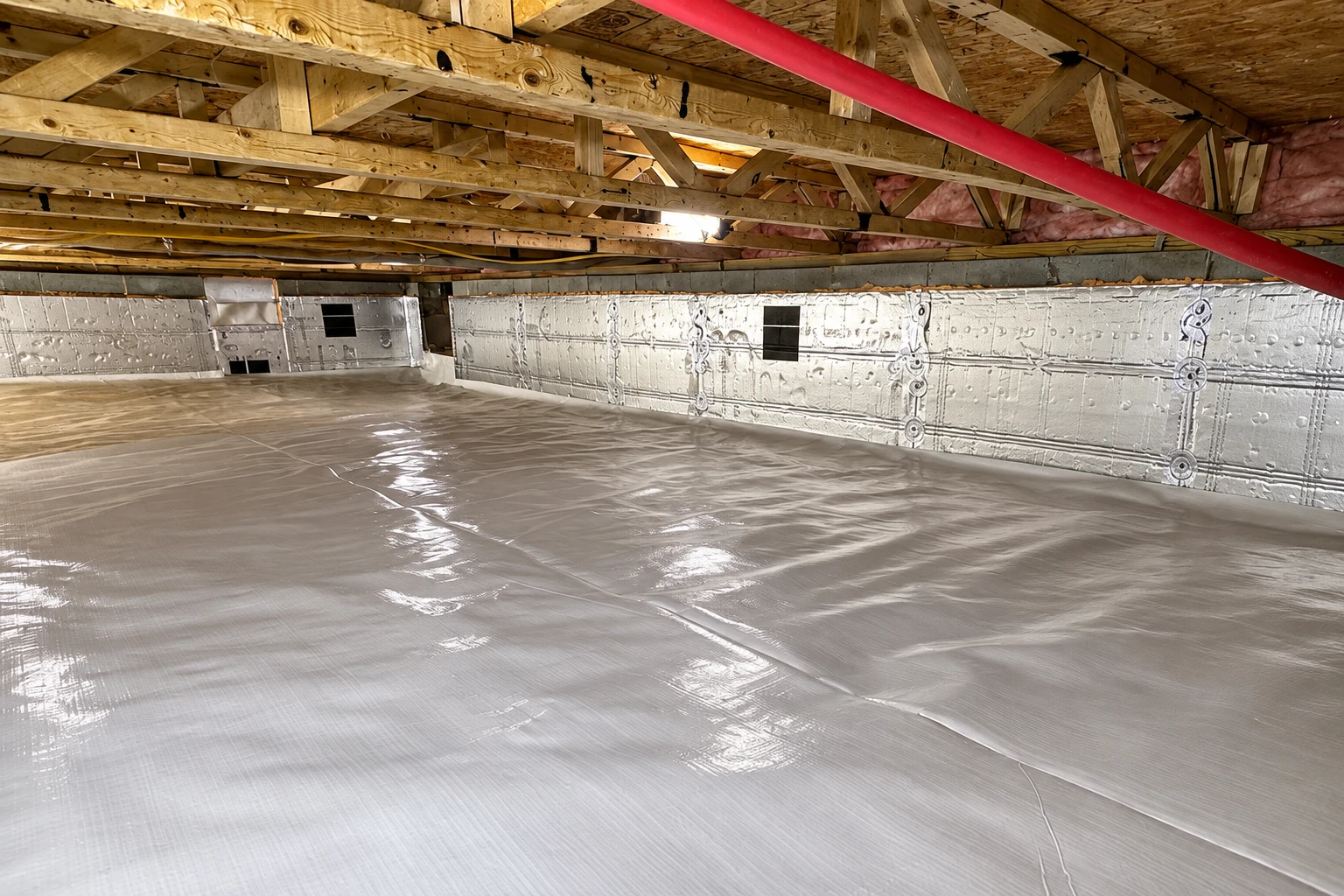
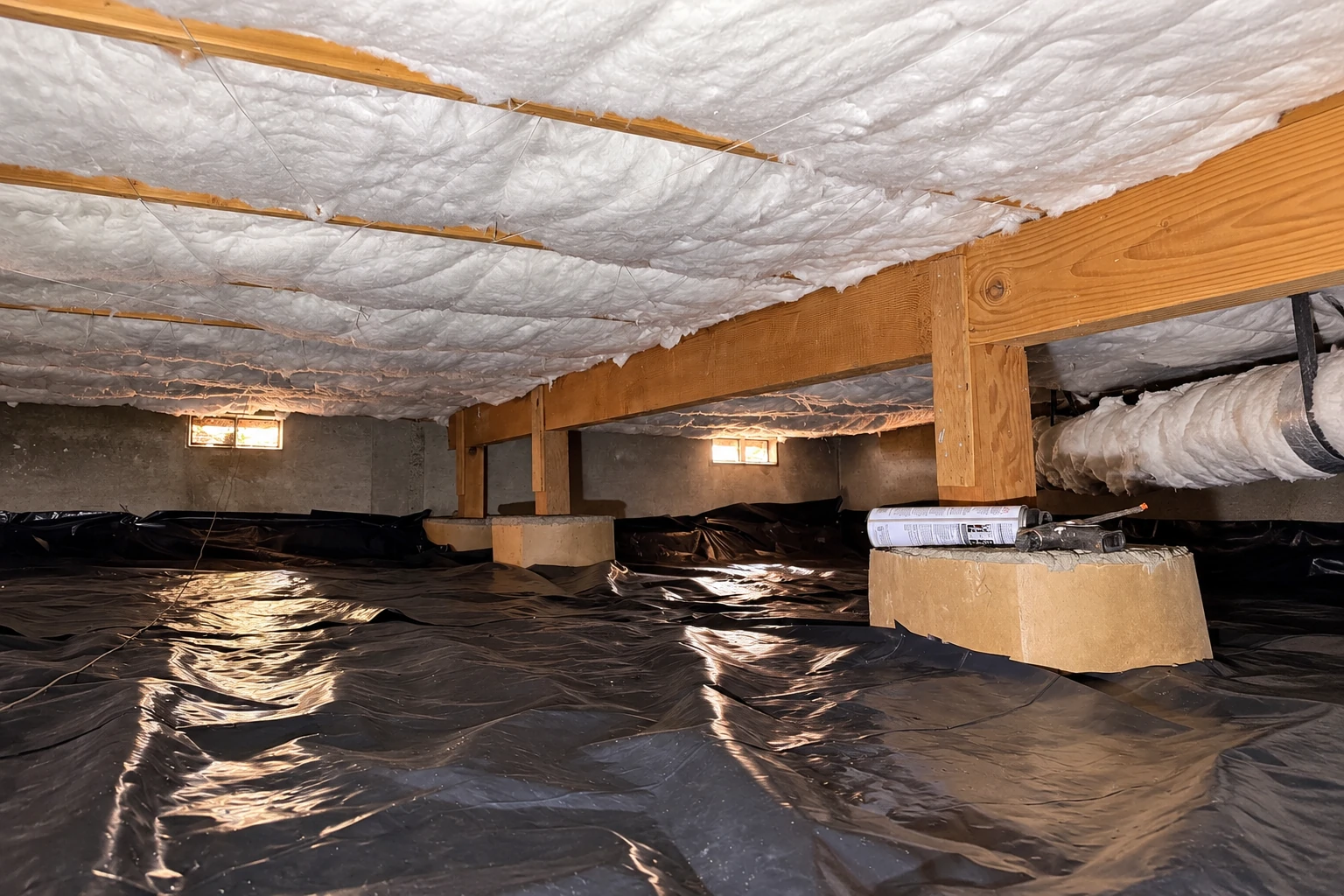
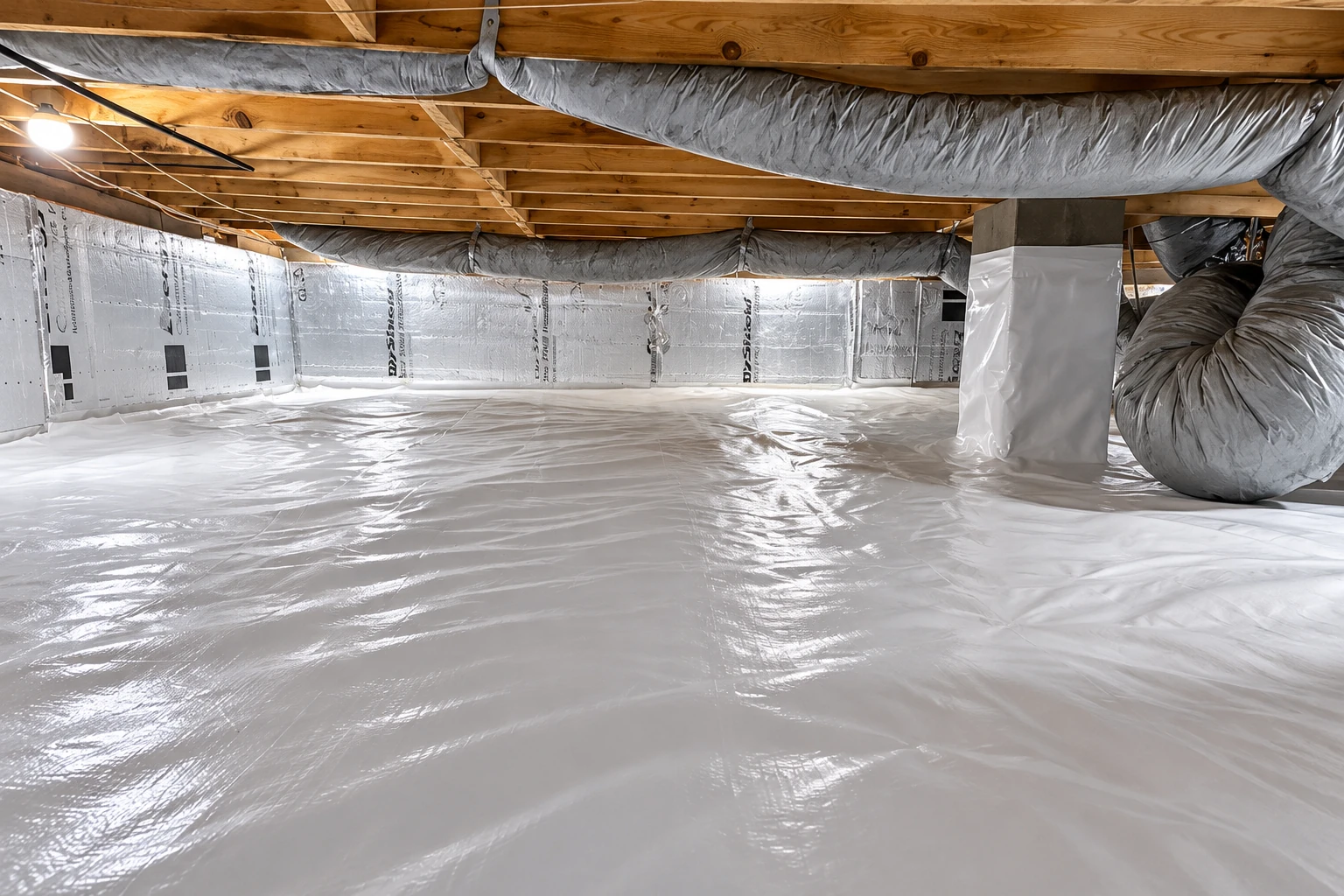
A crawl space vapor barrier is heavy plastic sheeting laid over the dirt under your house and sealed to the walls and piers. For Brentwood homes with a crawl space, it keeps ground moisture out and helps keep soil gases from coming up into the rooms you live in.
Most crawl space calls start upstairs, with cold floors or a musty smell, and the cause is often bare dirt under the house giving off moisture all day long. We're based in Brentwood and work in many of the cities around it, from Antioch and Oakley out to Livermore and Tracy. The order is the same on every job. Water first, then plastic.
The price mostly moves with the size of the crawl space, how rough the ground is, how many piers the liner has to wrap, which thickness you pick and how much has to be cleared out before we start. The schedule turns on whether outside water needs dealing with first, because that work has to come before the liner. Your written estimate spells out the prep and the liner separately, so you can see both.
How we install a crawl space vapor barrier
Finding the water before the plastic
Plastic won't fix a drainage problem, so before we lay a liner I look for where outside water is getting into the crawl space. Stains on the foundation, soil that stays wet near one wall or a line of silt usually point to where it's coming from. If there's a problem, I'll tell you it needs handling first, and the liner can wait until it is. Putting plastic over running water just hides it for a while.
Seams overlapped and sealed
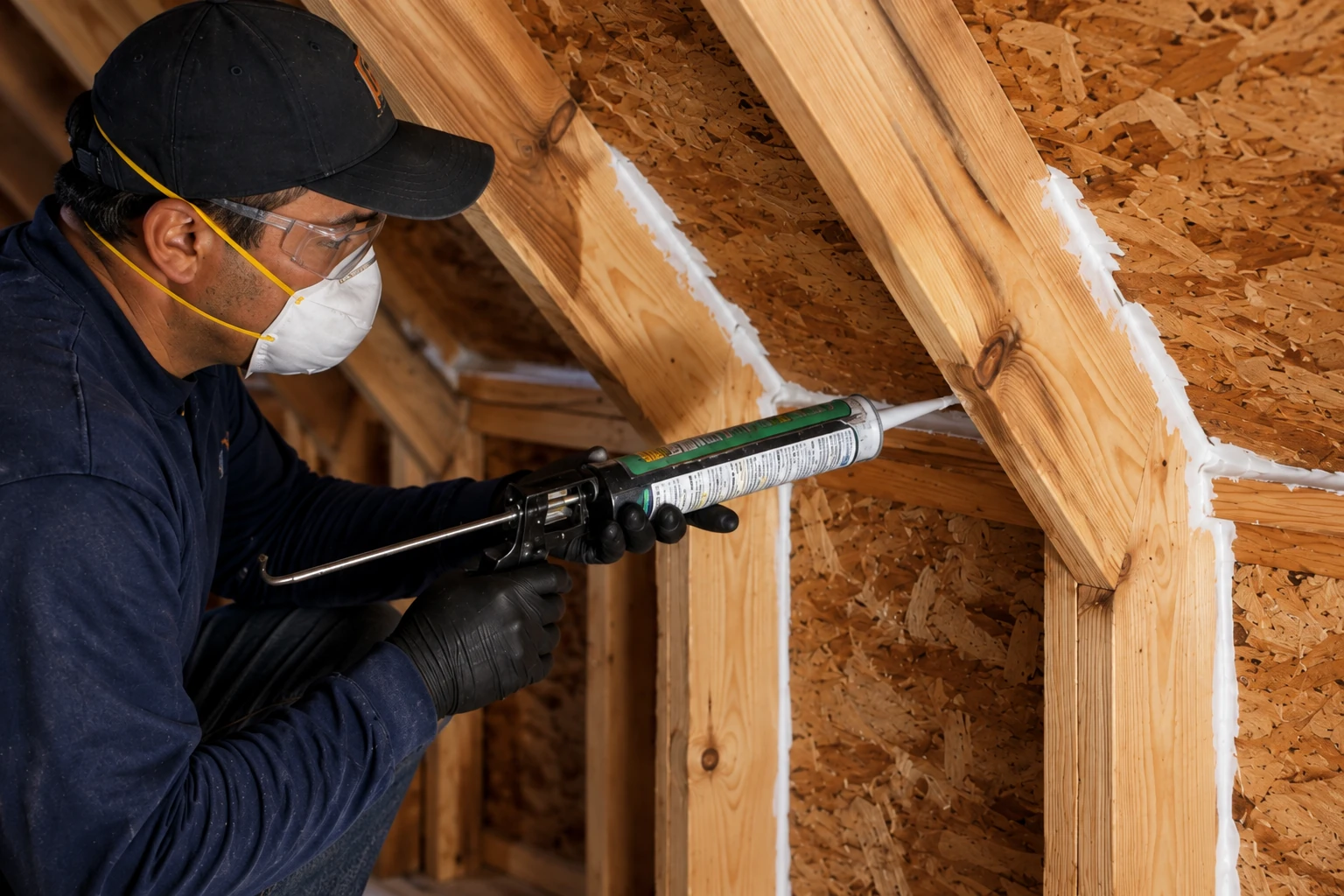
A liner is only as good as its seams, so we overlap every one and seal it. They're usually sealed with a continuous bead of caulk or with tape made for polyethylene, the plastic these liners are made of. An open seam lets ground moisture straight back up, which defeats the point of the job. If damp trouble isn't limited to the crawl space floor, our vapor barrier installation work covers other parts of the house.
Carried up the walls and piers
Some installers stake the plastic to the dirt around the edges. We carry it up onto the foundation walls and each pier and fasten it there, because the edges are where moisture and soil gas slip around a staked liner. It's a fair question to ask anyone who quotes you. Once it's in, check it now and then for tears, especially after a plumber has been under. The liner deals with the ground, and drafts through the ceiling are a separate job, attic air sealing.
Get a written estimate for your crawl space liner
Tell us if your crawl space is vented, how you get in and any signs of water, and we'll reply within one business day. I'll come look myself, and the written estimate is free with no pressure to book.
(925) 503-1068What happens on a crawl space job
Call or send a message
Call (925) 503-1068 or use the form, and we'll get back to you the way you reached us, by phone or email, to set a time for me to come look at the house.
I go under the house
I crawl the space and check the ground, the piers and any sign of water, then walk you through what I'd do first. Your written estimate notes any stored items or debris to clear so the plastic covers the whole floor.
Our crew lays the liner
Our crew lead and a small crew lay the liner, seal the seams and fasten the edges, cleaning up as they go. When it's done, the crew lead walks the finished job with you.
Crawl space vapor barrier questions
Do I need a vapor barrier if my crawl space is vented?
Yes, federal building research guidance says a crawl space should have a vapor barrier whether it's vented or not. Vents move air, but they don't stop moisture coming up out of the dirt, and the sheeting also helps keep soil gases from getting into your house.
Is a thicker crawl space liner worth it?
It usually is if the ground is rough or someone goes under the house often. The energy department's checklist calls for at least 6-mil sheeting. One cost guide says 20-mil is nearly impossible to tear in normal use and most worth it over loose rock or where heating, cooling or plumbing work means frequent trips under. I'll tell you which fits at the estimate.
What else keeps a crawl space dry besides a vapor barrier?
Keeping outside water from getting in at all. In vented crawl spaces, most moisture comes from water flowing in because of poor grading, missing drains around the foundation or poor watering habits. The fixes can include regrading so soil slopes away, drain pipe around the footings, and gutters and downspouts that carry rain away from the foundation.
Does a crawl space vapor barrier installer need a California license?
Yes, in most cases. California requires a license from the Contractors State License Board for anyone who builds or alters a building when the job needs a building permit, uses hired employees, or costs $1,000 or more in labor and materials. Ask any installer you're considering whether they hold one.