
Oakley has the Delta along its north edge, with Antioch and Highway 160 to the west and Brentwood to the south, so it's a short drive from where we're based. The calls we get here sound a lot like the ones from Antioch and Pittsburg, with a room upstairs that won't cool off, a drafty hallway, the room over the garage nobody wants to sleep in, and a power bill that climbs every summer.
We see older homes and newer neighborhoods here, and in both the attic takes the afternoon sun all summer, so that's where most of our Oakley work starts. Where a house sits over a crawl space, we check it for damp before anything goes under the floor.
What moves the price and the schedule
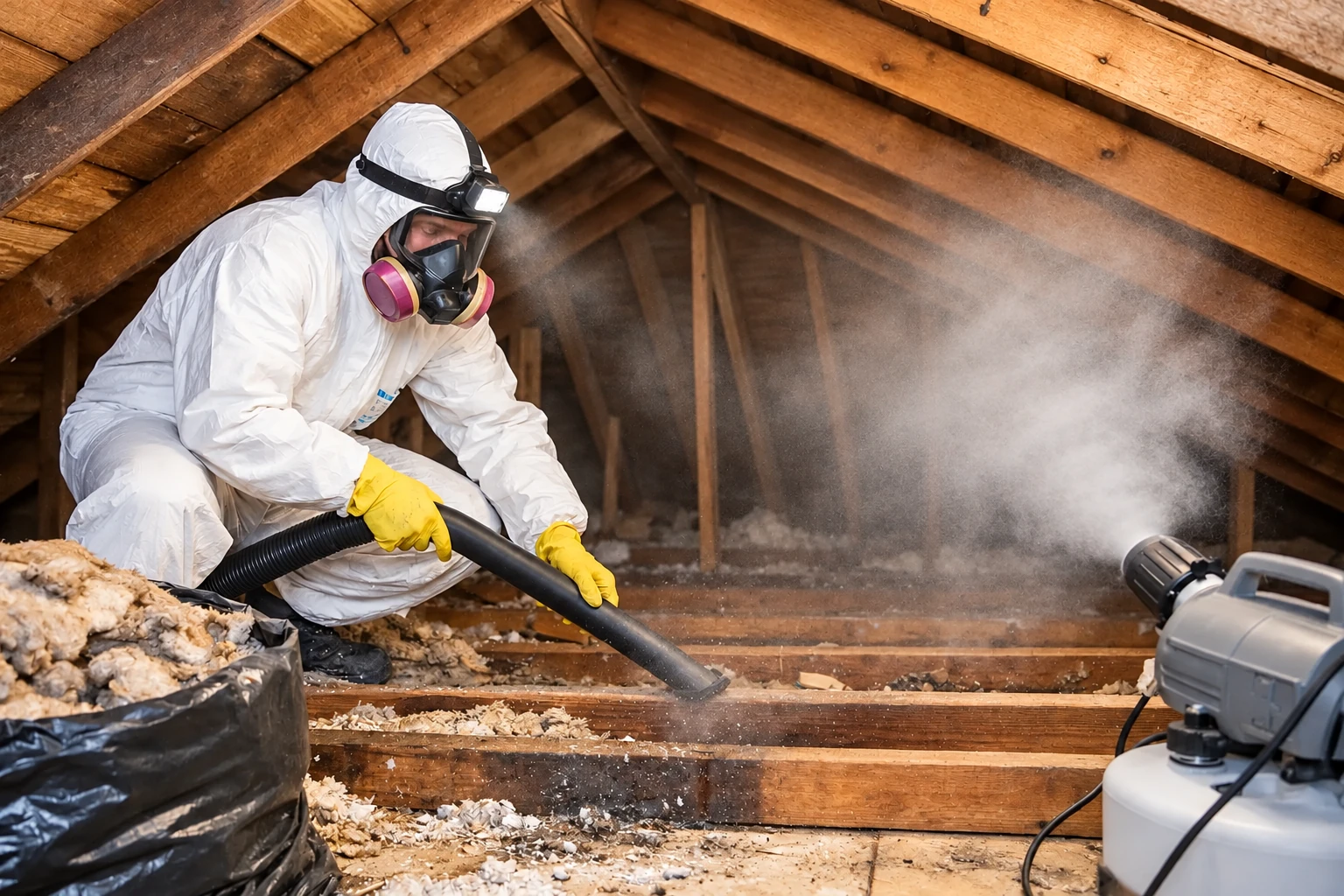
The price mostly comes down to what's already in your attic and how much prep has to happen before anything new goes in. A few inches of clean old insulation can usually stay and get topped up, but material that's soaked or full of droppings comes out first, and that's extra work. The number of gaps that need sealing adds to it, and so does a tight attic that's hard to crawl. The schedule turns on that same prep, plus any roof leak or old wiring that has to be fixed first and a permit if your job needs one. I come out and look myself, and the written estimate lists the prep work next to the insulation.
Why we seal the attic before we insulate
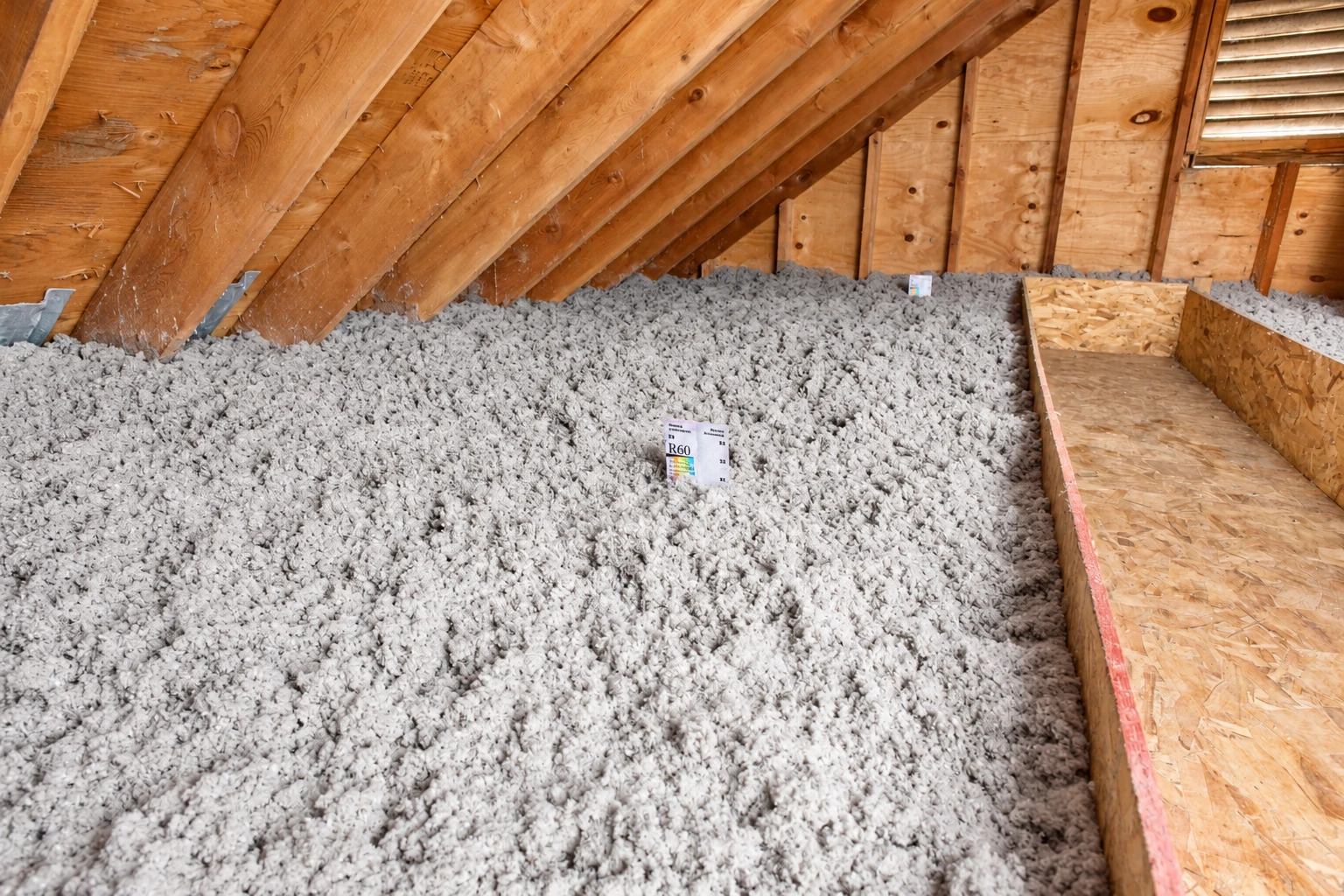
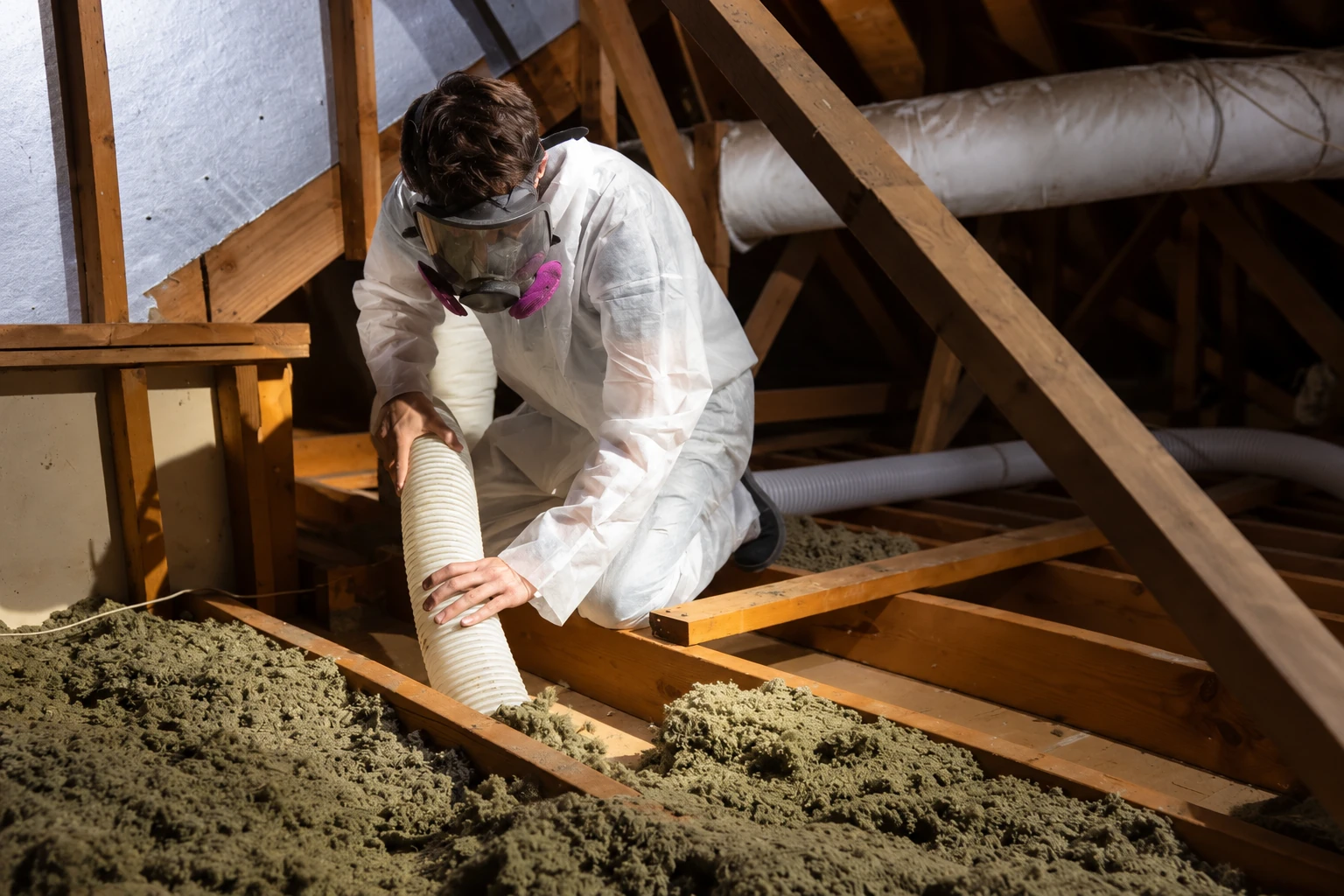
I spent years in restaurant kitchens, and you don't plate before the prep is done. An attic works the same way, so leaks, damp spots and old wiring get dealt with first. Then our crew lead and a small crew do the air sealing, closing the gaps around can lights, pipes and the hatch, because insulation laid over a draft just fights it. We keep the eave vents clear so the attic still breathes, and we lay blown-in insulation, loose fill blown through a hose, to an even depth right out to the edges. If something isn't ready, I'd rather tell you the job can wait than do it twice.
Foam or loose fill for an Oakley attic
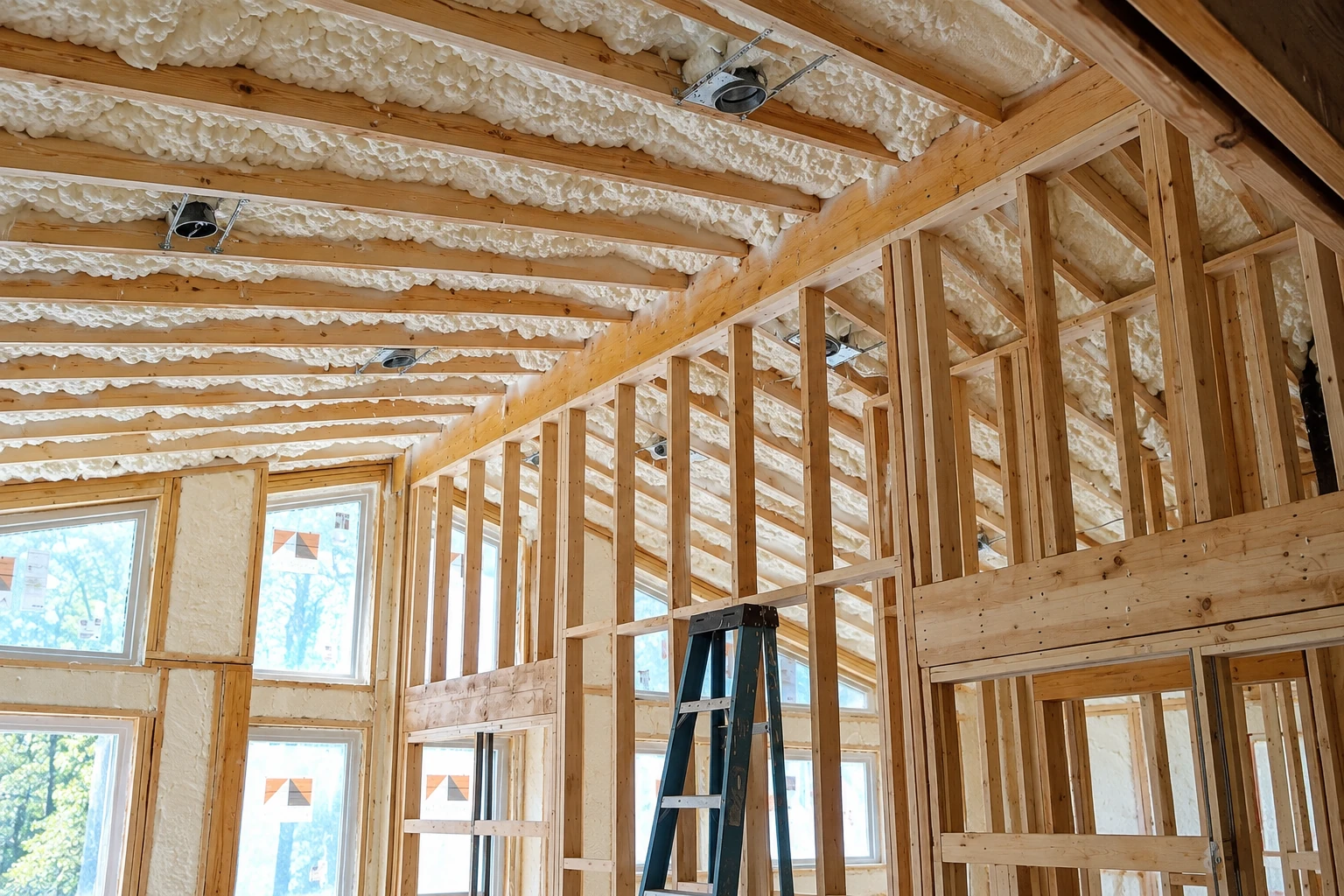
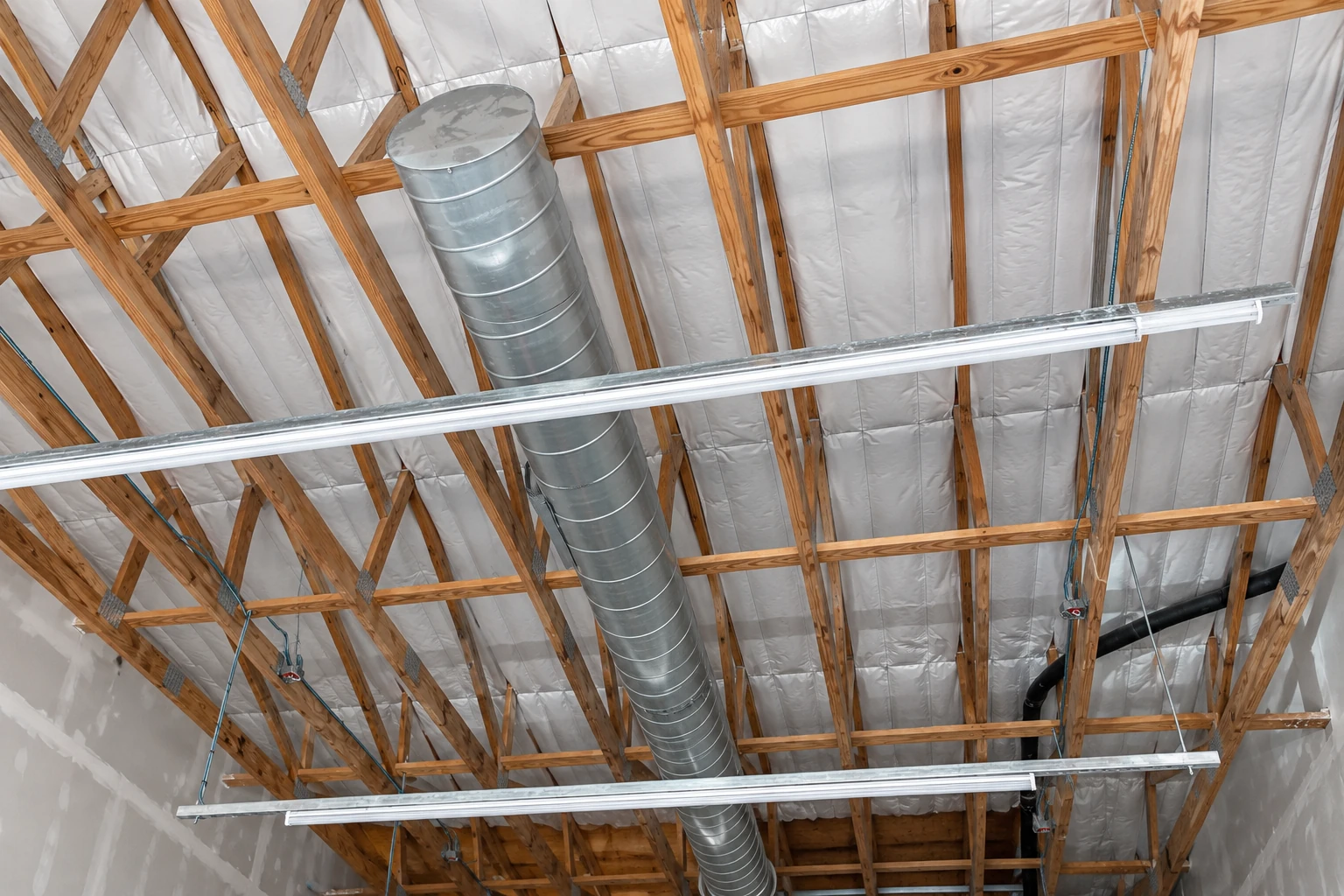
Foam costs more, but it seals air while it insulates, so it's tempting to reach for it. For most attics, sealing the gaps and topping up loose fill does the job for less, and that's where I usually start. The exception is when your ductwork runs through the attic, because foam on the underside of the roof keeps those ducts out of the worst of the summer heat. Closed-cell foam, a dense foam that also blocks moisture, has its place too, mostly in spots that tend to stay damp. At the estimate I'll tell you which way I'd go for your house and why.