
Discovery Bay sits off Highway 4 just east of Oakley and our home base in Brentwood. It's a community built around the water, with the marina opening onto the Delta. It's a short drive for us, and we do the same work here that we do west out to Bay Point. The calls sound alike too: a hot room upstairs, a cold room over the garage, a power bill that keeps climbing.
A lot of the attics we open in houses like these still hold whatever went in when the house was built, with gaps around the lights and the hatch. That's what shapes the job here, because the prep matters more than the new insulation.
We seal the attic before we insulate it
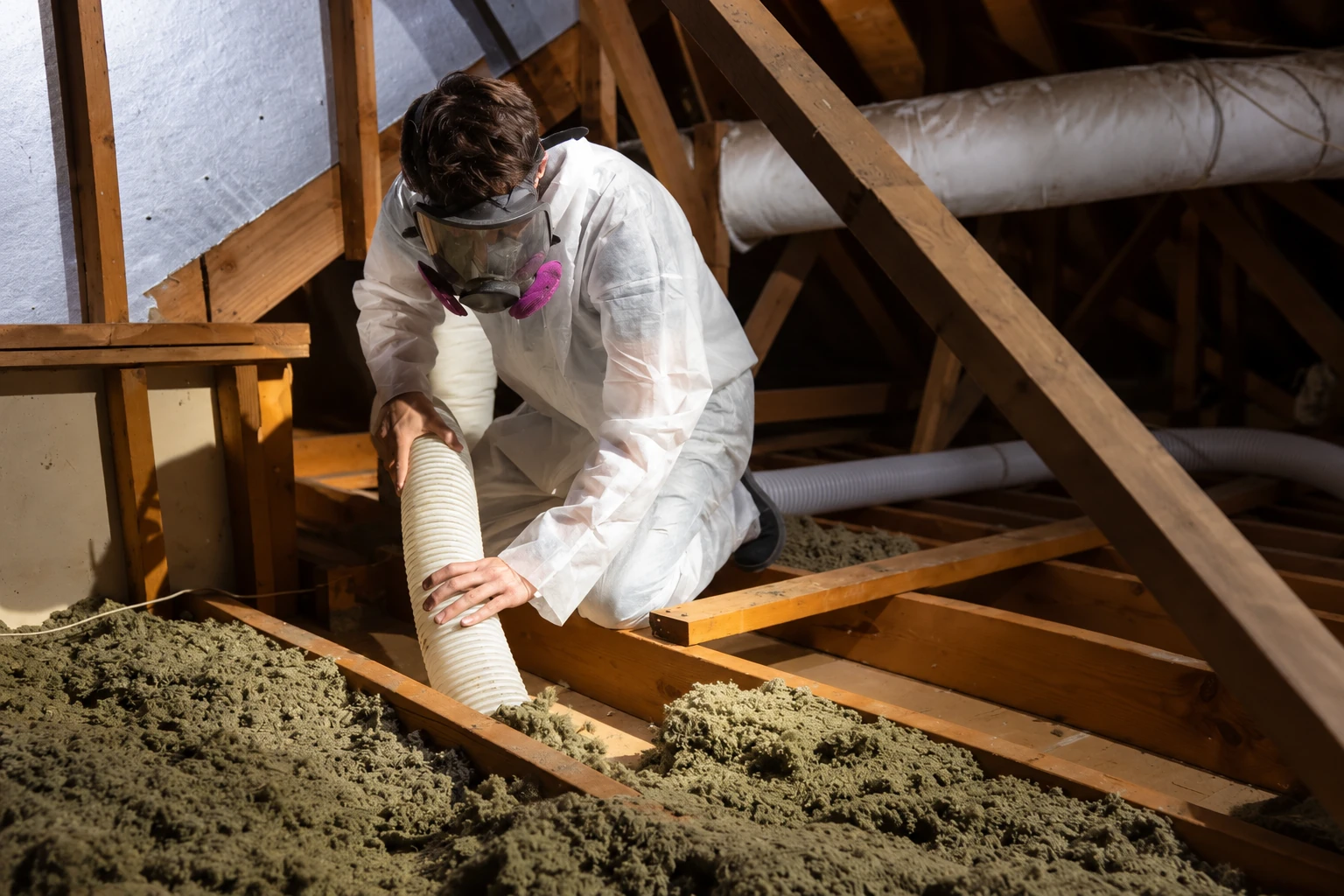
Insulation slows heat but does little against moving air, so the first thing our crew does is air seal, closing the gaps around can lights, pipes, wires and the attic hatch. If those stay open, new insulation just sits in a draft. We also keep the eave vents, the vents along the edge of the roof, clear so the attic can still breathe, because buried vents trap moisture in the framing. Then the insulation goes in, as deep at the edges as in the middle. I learned this order in restaurant kitchens before I ever crawled an attic. You don't plate before the prep is done.
When old insulation has to come out first
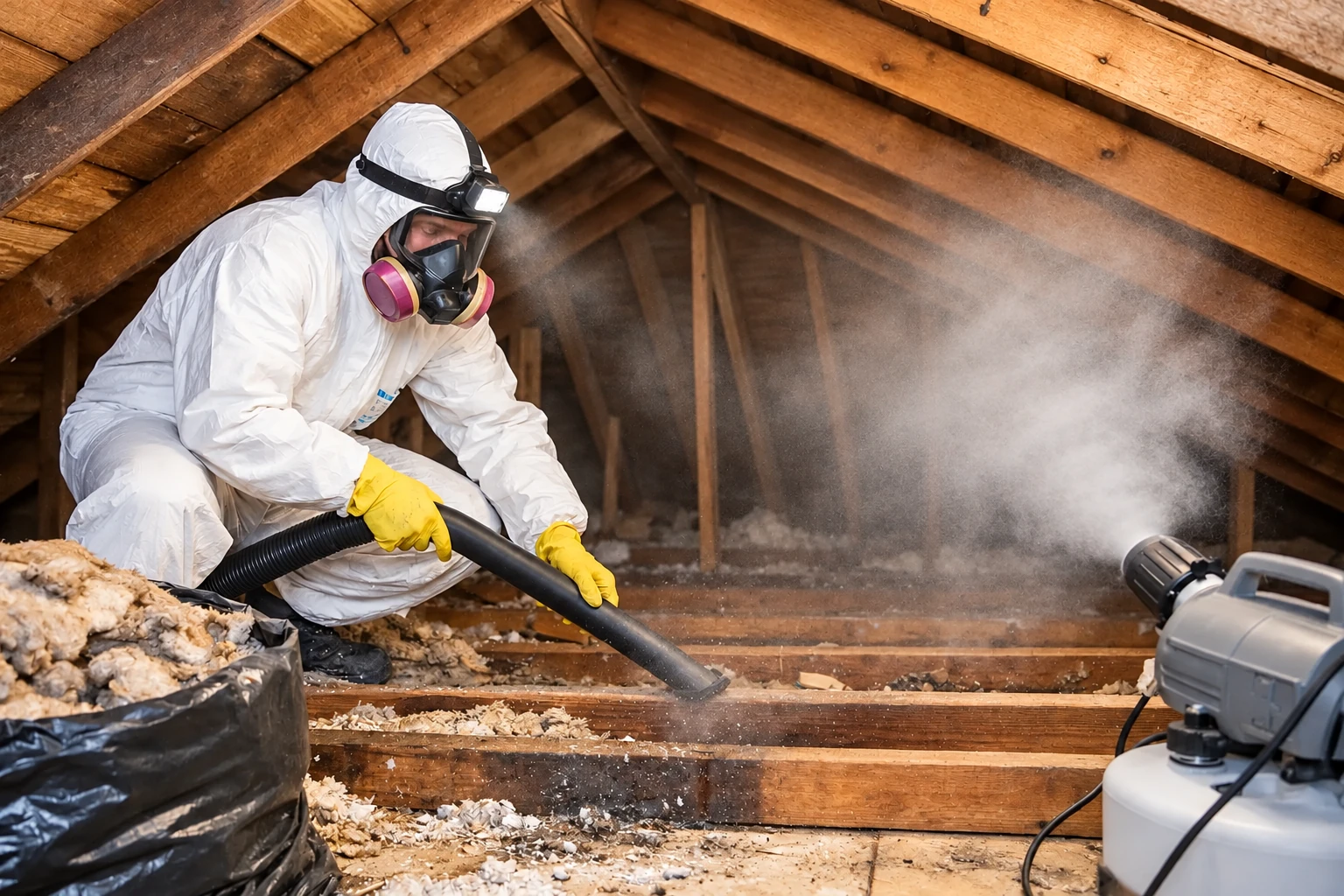
Fresh insulation laid over old insulation that got soaked or filled with droppings keeps the problem in your attic. When I find that, we take the old material out with insulation removal before anything new goes in. A damp spot or old wiring gets dealt with first too, because covering it up only hides it. I'd rather tell you the attic isn't ready yet than do the job twice. The written estimate lists that prep work right next to the insulation, so you see the whole job before you decide anything.
What sets the price and the schedule
The price mostly comes down to the size of the attic, how easy it is to reach, how many inches are already up there and whether any of it has to come out. The material that fits your attic matters too. The schedule turns on the prep, so a dry, clear attic moves faster than one waiting on a removal, a leak, an electrician or a permit. I come out to look at the space and write the estimate myself, and that's where you get your own figure. Once you book, our crew lead runs the work on site with a small crew.