
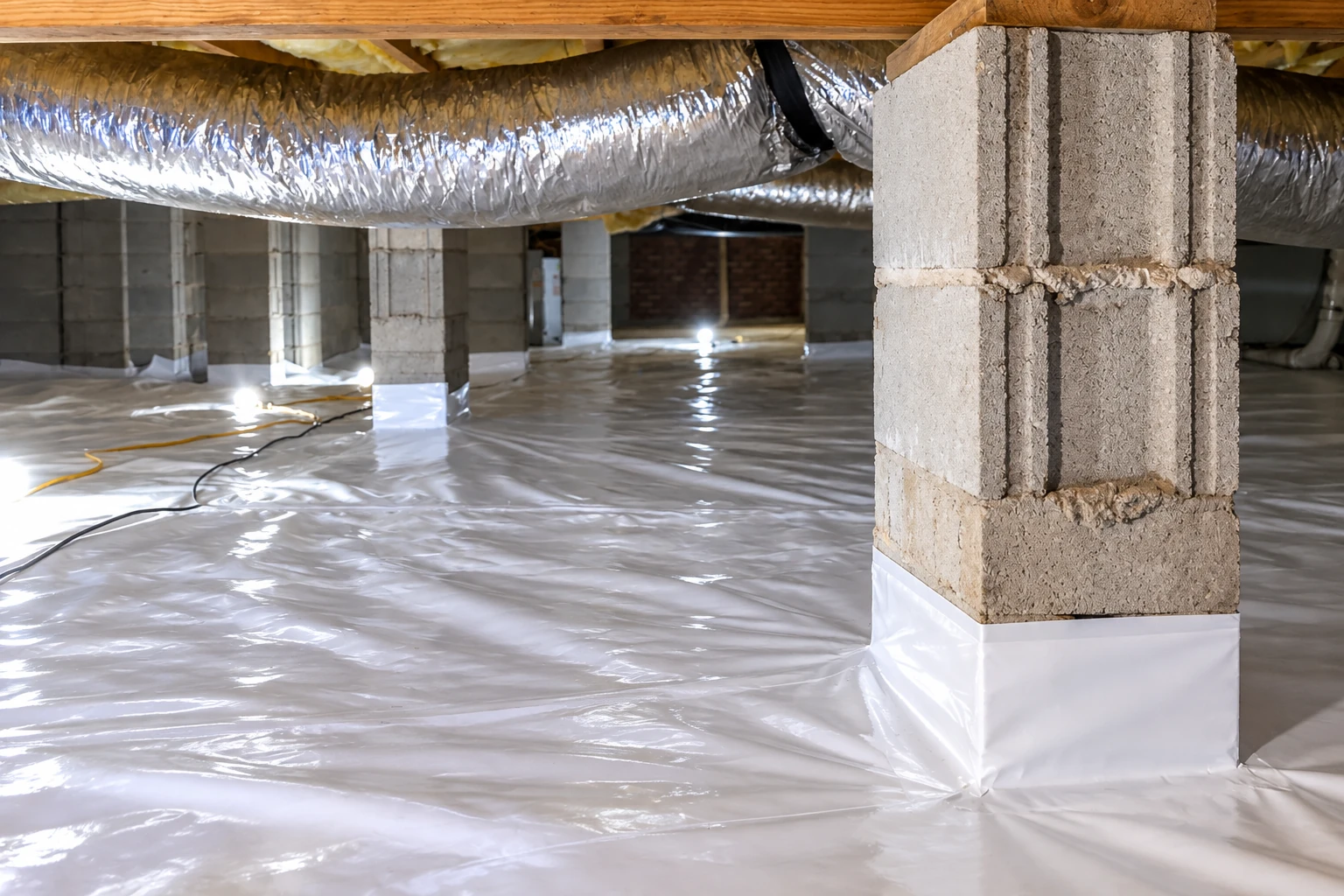
Pittsburg is a short drive from our base in Brentwood, and the calls we get there sound like the ones we get at home: an upstairs that's hot by afternoon, a room over the garage nobody wants to sleep in, cold floors over the crawl space and a power bill that keeps creeping up. The houses run from older homes around Old Town and the waterfront to neighborhoods built much later. We work in both, the same way we do in Antioch and out in Discovery Bay.
The age of the house usually sets the first question. In an older one, the insulation up there has often settled thin over the years, so I want to know how many inches are left and whether it's still dry and clean. In a newer one, it's more often gaps around fixtures and thin coverage at the edges, and either answer changes the order of the work.
What moves the price and the timing
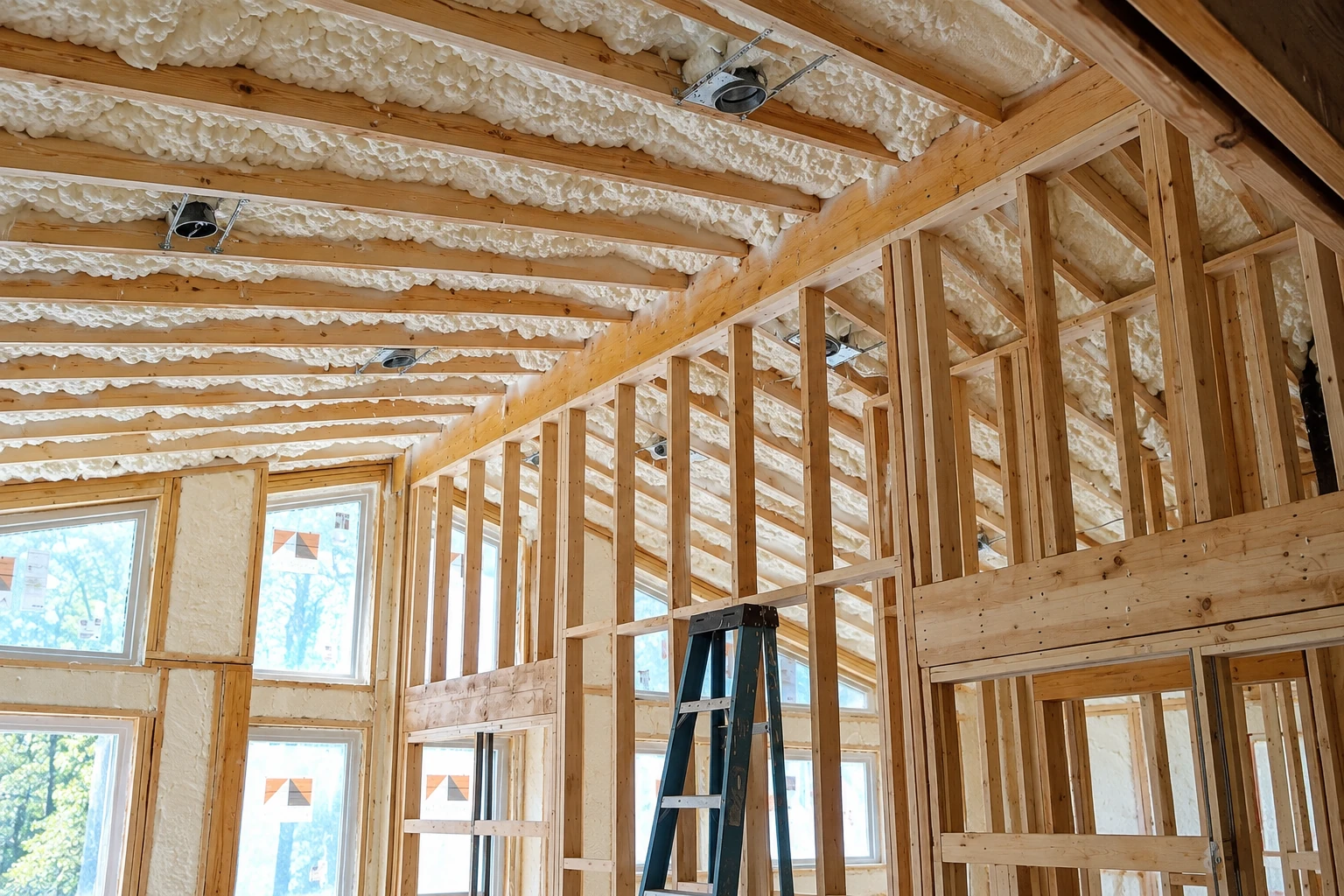
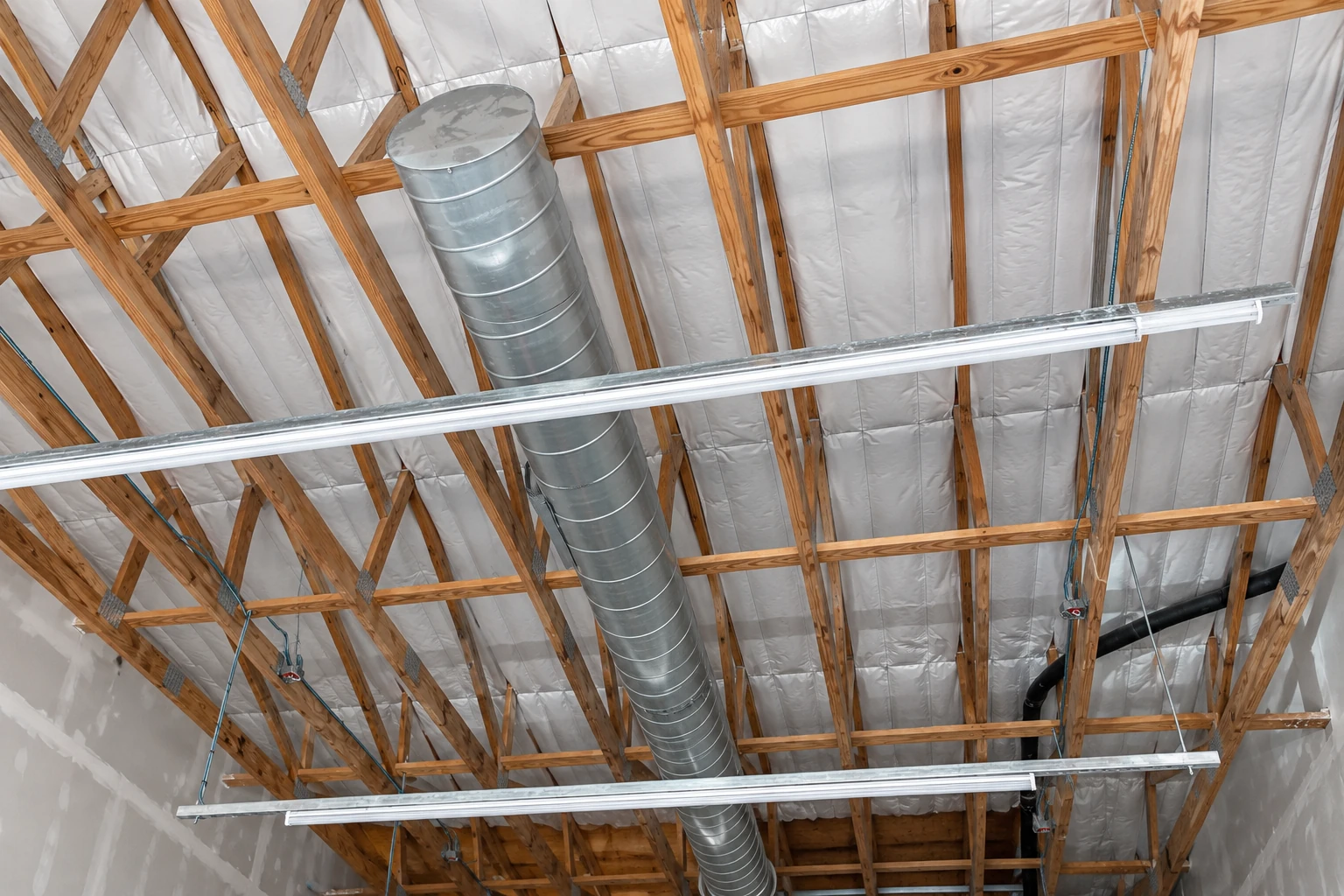
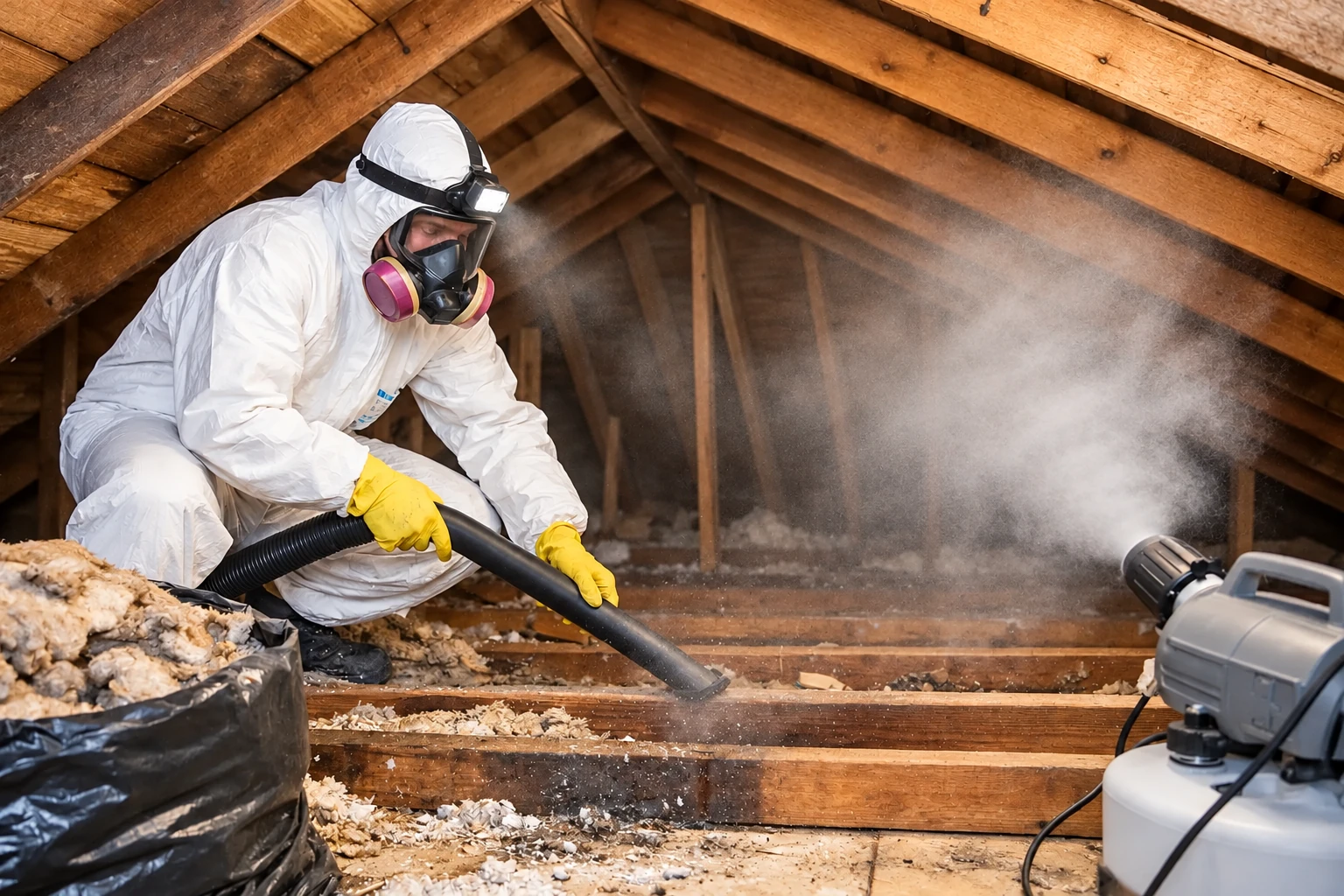
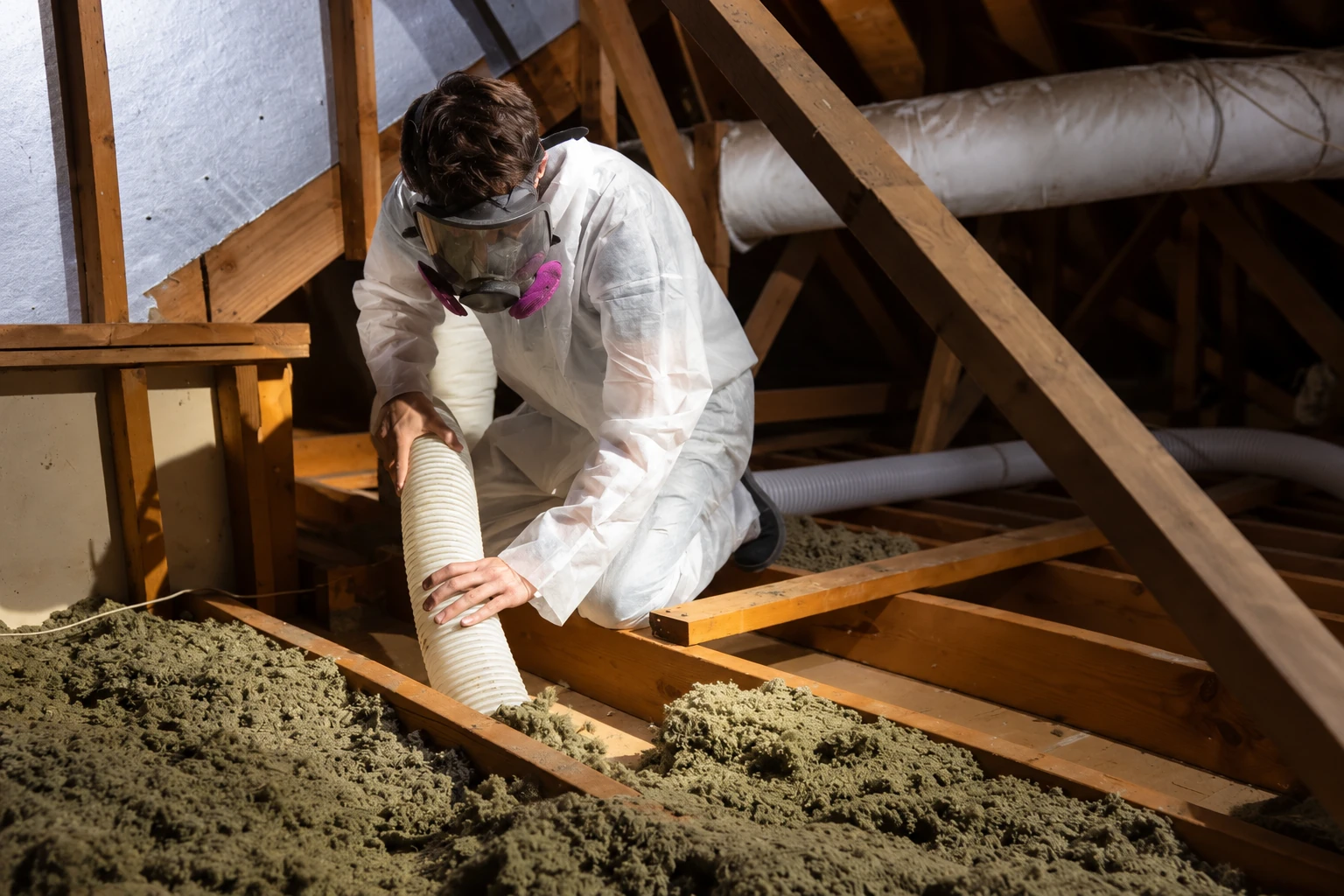
Price comes down to what's in your attic now and how much prep it needs before anything new goes in. Old insulation that's soaked or full of droppings has to come out first, the gaps have to be sealed, and a low, tight attic takes longer to work in. Foam costs more, though it seals air as it insulates. Unless your ductwork runs up there, I'd seal the gaps and top up with blown-in insulation, which is loose fill blown through a hose, because it usually does the job for less. The schedule turns on that same prep, plus a permit if your job needs one. Your written estimate lists any prep work along with the insulation.
Why we seal before we insulate
I spent years in restaurant kitchens, and you don't plate before the prep is done. An attic works the same way. Air sealing, closing the gaps around can lights, pipes, wiring and the attic hatch, comes first, because insulation slows heat but won't stop a draft pushing through it. Roof leaks, damp spots and old wiring get dealt with before anything new goes in. Then we keep the eave vents clear so the attic can still breathe, and we bring the edges up to full depth instead of piling it high in the middle. If your attic isn't ready yet, I'll tell you, because I'd rather wait than do it twice.
Getting your house ready for our crew
I come out first to look at the space and write the estimate, and our crew lead runs the work on site with a small crew. Before they arrive, it helps to clear a path to the attic hatch, whether it's in a hallway ceiling, a closet or the garage, and to move stored boxes away from it so nobody has to work around them. If the trouble is cold floors or one room that never feels right, the attic may not be the whole story, and our home insulation work looks at the walls and the crawl space too. We'll go over access at the estimate.