
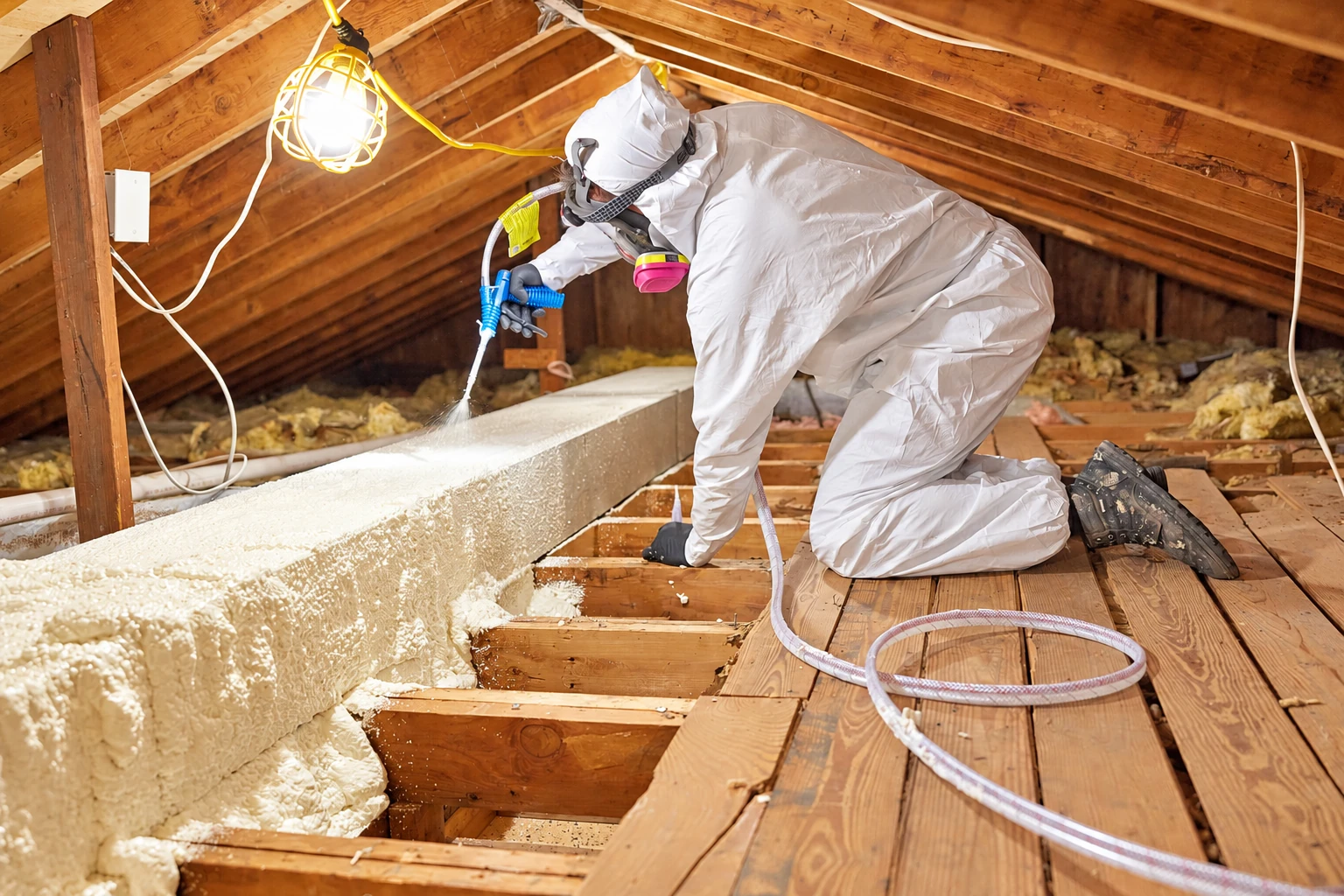
Most of the Concord calls we get start with a room upstairs that runs hot, a cold floor over the crawl space, or a power bill that keeps creeping up. A lot of the houses here have been around a while, and in their attics the insulation has usually settled thin, with only a few inches left and gaps around the lights and pipes underneath. We drive over from Brentwood, the same as we do for jobs in Walnut Creek next door or out in Livermore.
That's why the order of the work matters on a Concord house. In a kitchen you don't plate before the prep is done, and an attic is the same, so whatever sits under the old insulation decides the job before anything new goes in.
What moves the price and the schedule
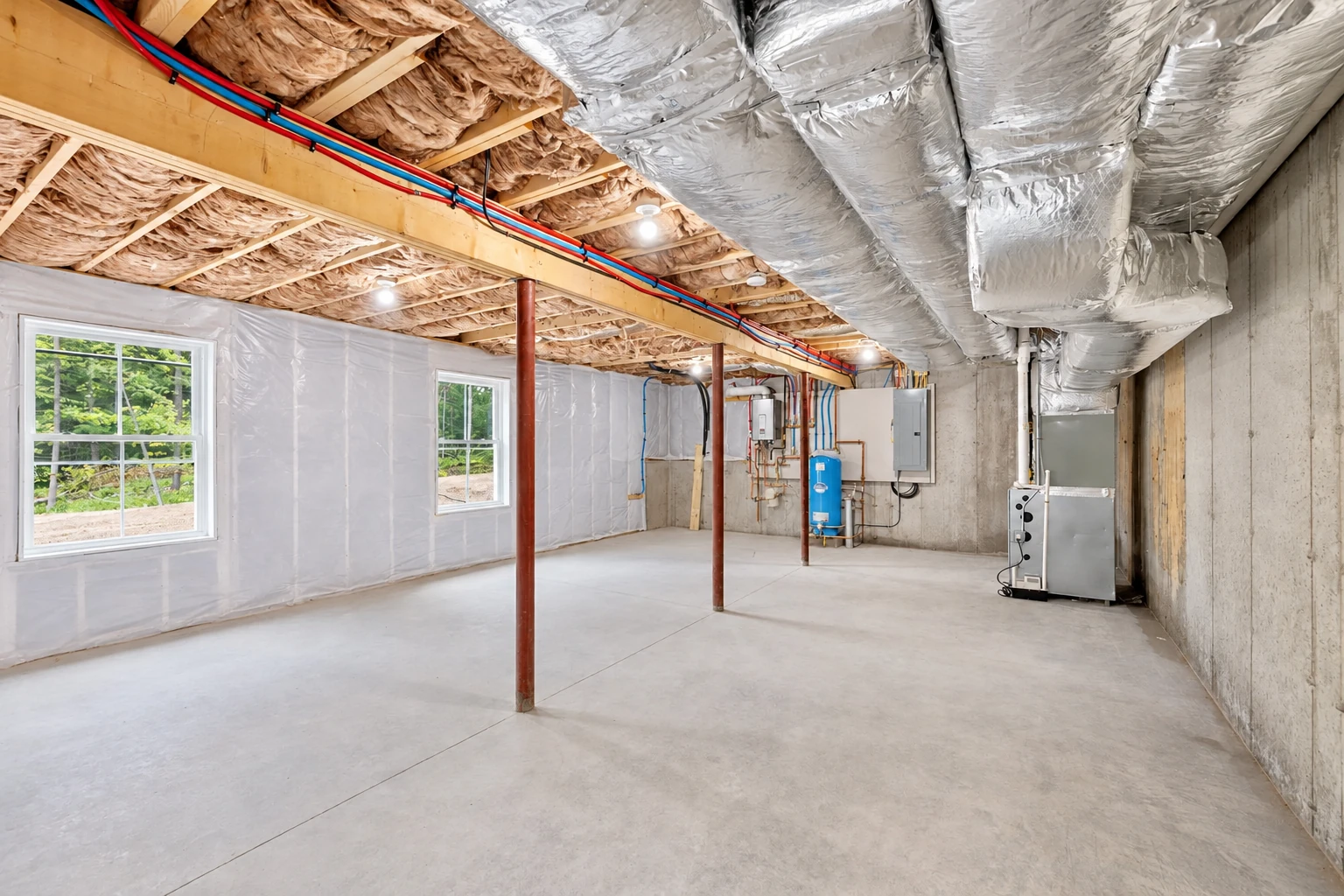
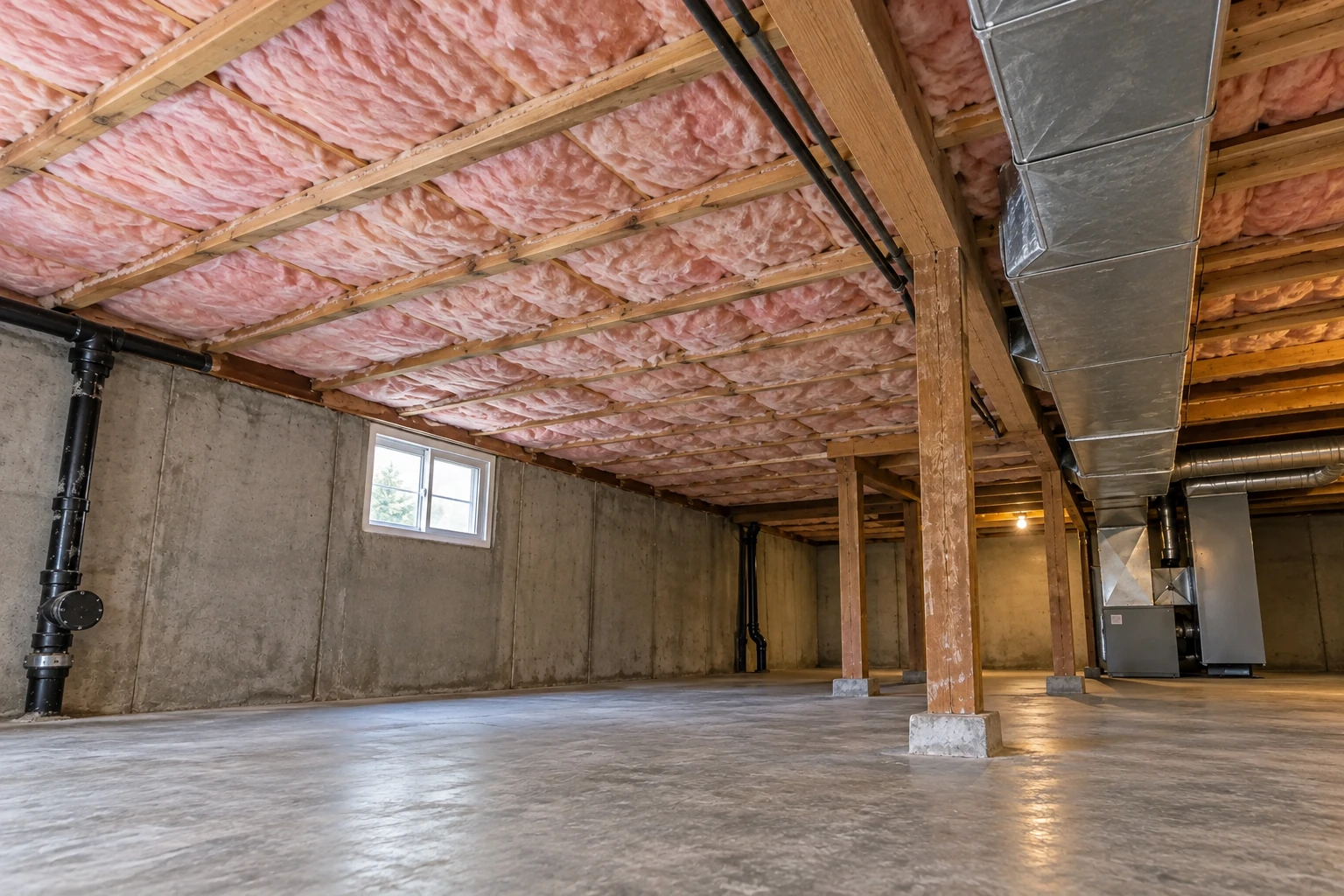
The price mostly comes down to the size of the attic or crawl space, how many gaps need sealing, and what's already up there. Clean insulation with a few inches left can usually stay, and we add over it. Insulation that's been soaked or is full of droppings has to come out first, and that's more work. The schedule turns on the prep, because a roof leak, a damp spot or old wiring gets fixed before anything new goes in. I come out and look at the space myself, and the written estimate lists the prep along with the insulation, so you see the whole job before you decide.
Why we seal the attic before insulating
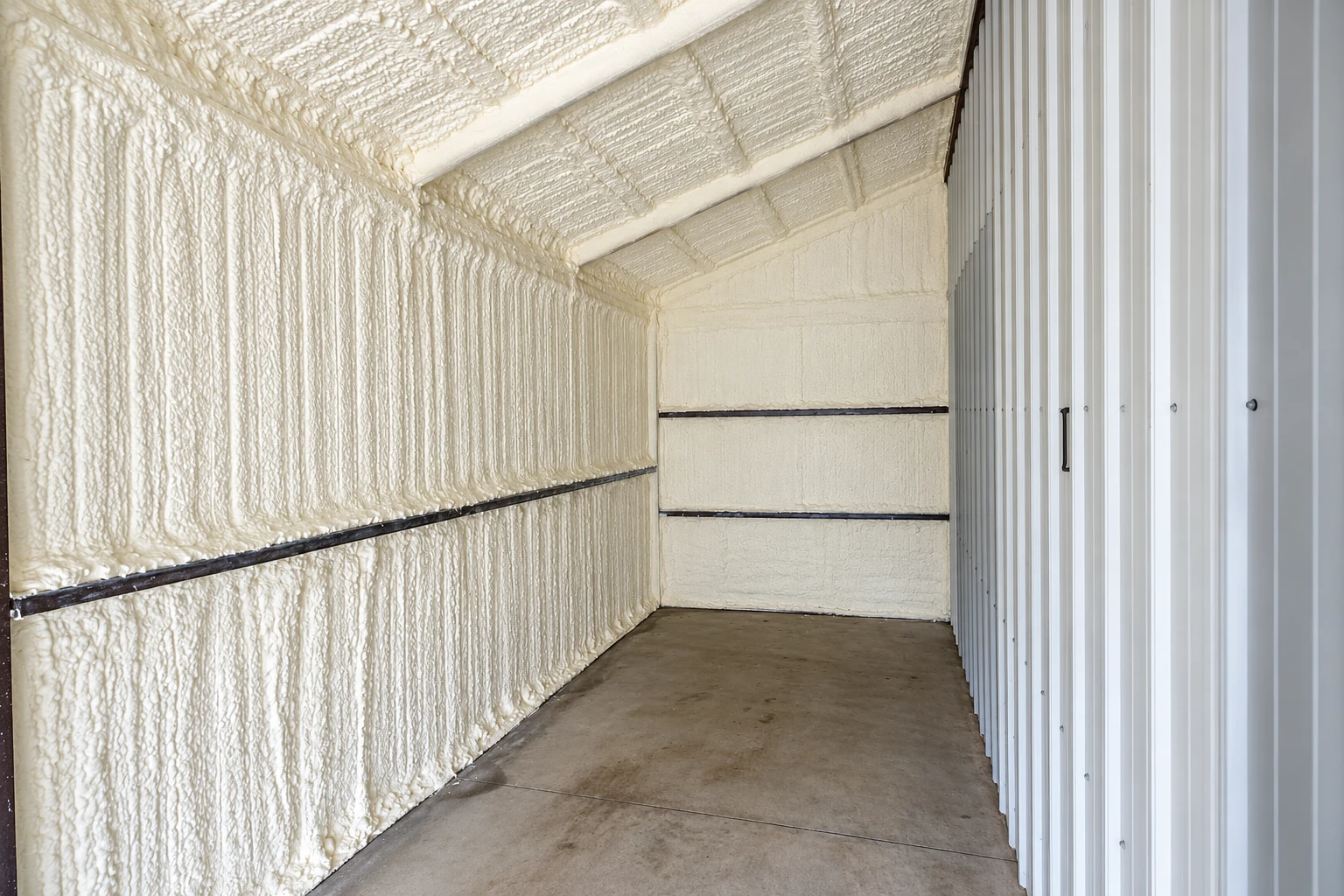
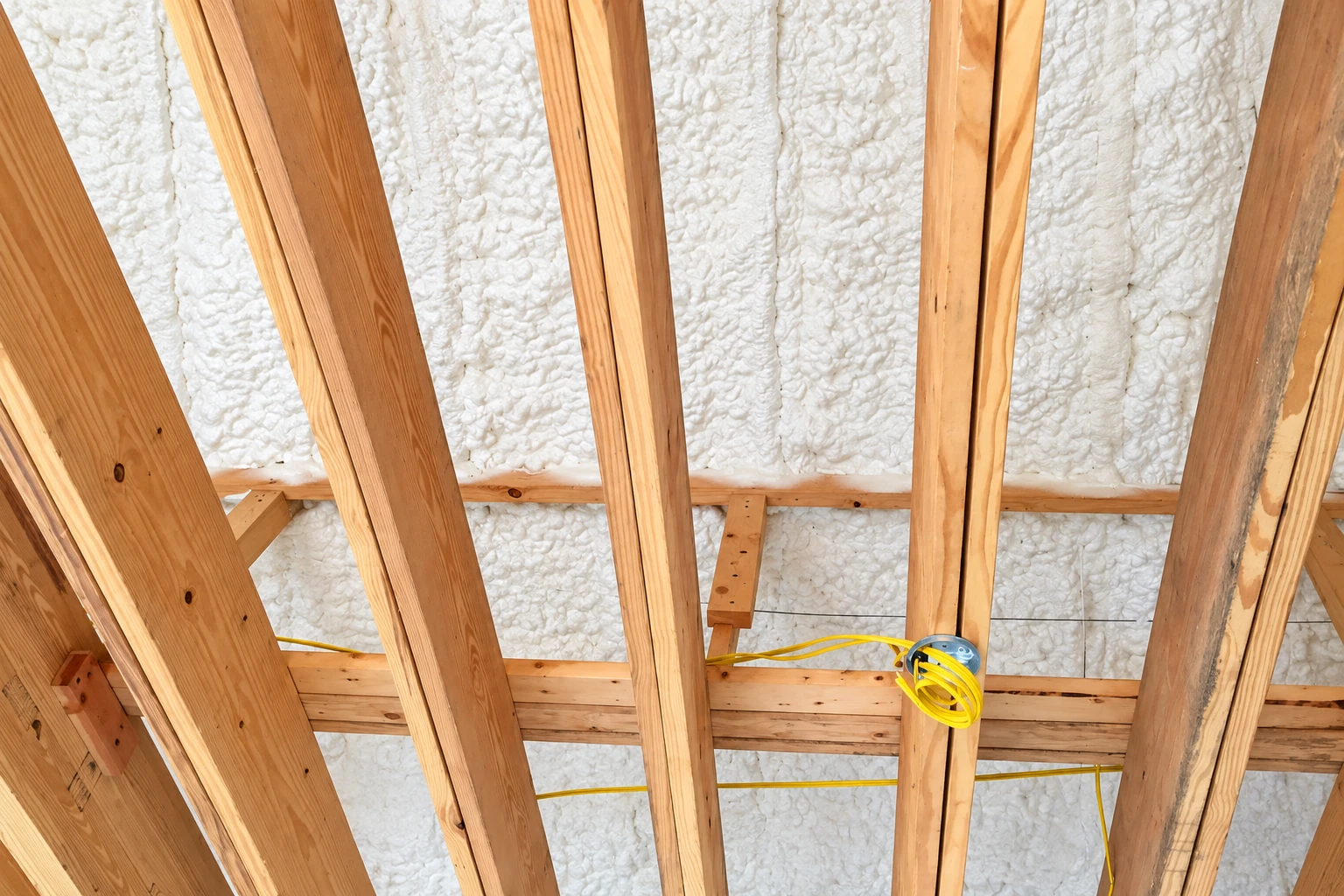
In most attics we open, the air gets through gaps around can lights, pipes and the hatch, and new insulation laid over those gaps just fights the draft. So our crew does the air sealing first, closing those gaps before any insulation goes down. Then we blow in loose fill evenly all the way to the edges, where it usually runs thin, and keep the vents at the eaves clear so the attic can still breathe. Spray foam seals and insulates in one pass, but it costs more. For most attics, sealing the gaps and topping up wins, unless your ductwork runs up there.
Getting your house ready for our crew
Once you book, our crew lead runs the work on site with a small crew, so it helps to know where they'll be working. Most attics open through a hatch in a hallway, a closet or the garage ceiling, and we need a clear path to it and some room below for hoses and tools. Clearing the shelf under a closet hatch or a corner of the garage the day before saves time. Crawl space work goes through the access door, so keep that reachable too. If we find a damp spot or wiring that looks off once we're in, we stop and talk with you before going on.