
We come over from Brentwood for Dublin jobs, the same way we head out to Livermore next door and on to Tracy. The calls here usually start the same way. An upstairs that's hot by late afternoon, a bedroom over the garage that's cold in winter and stuffy in summer, or a power bill that keeps climbing. Dublin has a mix of older single-story neighborhoods and newer two-story subdivisions, and those two kinds of houses rarely need the same fix.
In the older houses there's often a thin layer that's settled over the years, and sometimes it's damp or full of droppings and has to come out before anything new goes in. In the two-story homes, the attic over the second floor tends to be tight and the ductwork often runs through it, which changes how we seal it and what we put in.
What I check before writing your estimate
I come out and look at the space myself, because what's already up there decides most of the job. I check how many inches you have now, look for roof leaks, damp spots, droppings and old wiring, and see how easy the hatch is to reach. Those things move the price most, along with the size of the attic and whether you go with foam or loose fill. The schedule turns on prep, since a leak or a wiring problem gets fixed first, and on whether the job needs a city permit. Your written estimate lists that prep separately from the insulation. If the attic isn't ready yet, I'll tell you so.
Sealing gaps before the insulation goes in
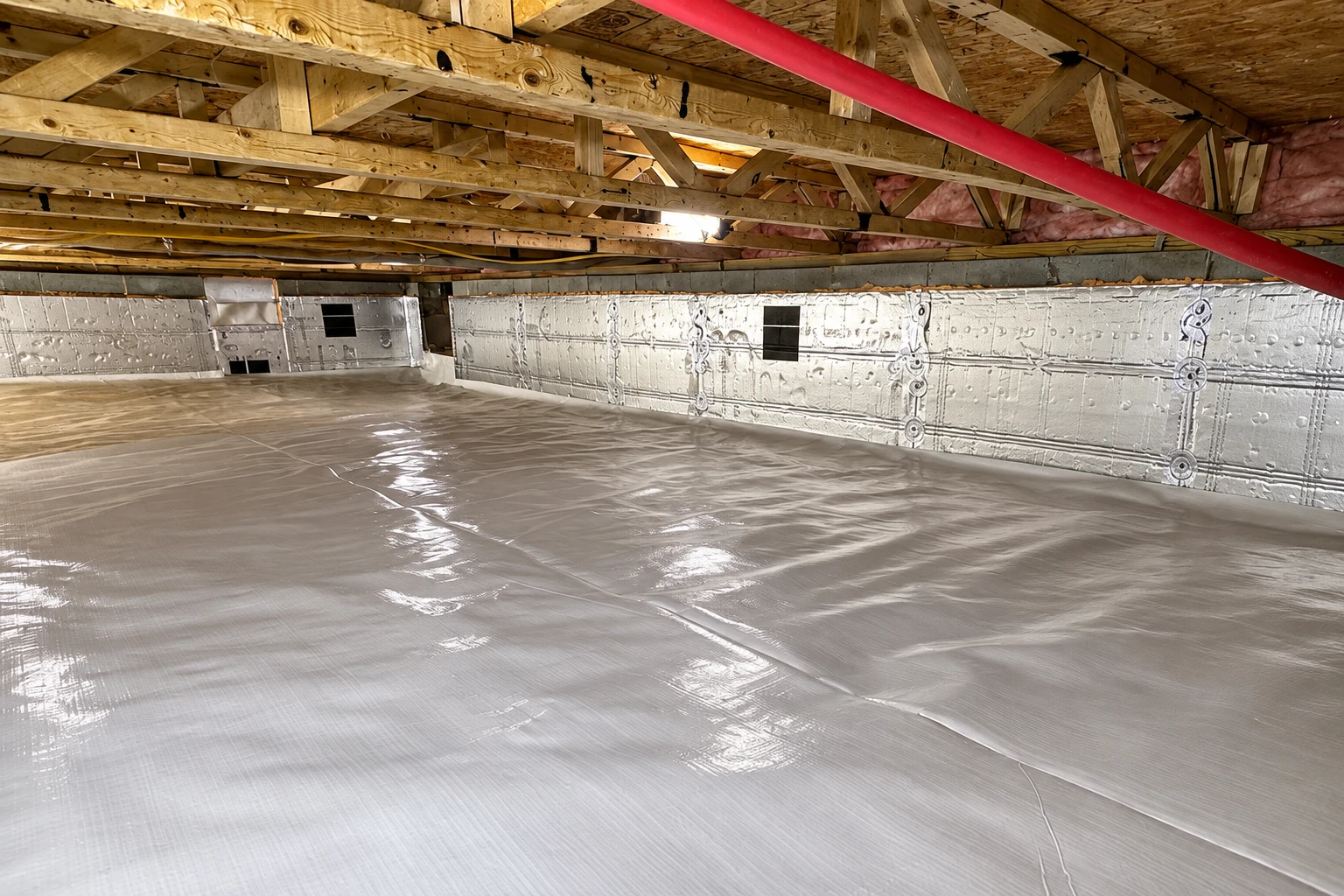
We seal first and insulate after, the same way you finish your prep in a kitchen before you plate anything. Air sealing means closing the gaps around can lights, pipes, wires and the attic hatch, because insulation laid over an open gap just fights the draft coming through it. Then we spread the new insulation evenly, with the edges as deep as the middle, since thin edges over the outside walls are one of the most common misses in an attic. We also keep the eave vents clear, so the attic can still breathe and moisture doesn't collect in the framing.
Choosing foam or loose fill for your attic
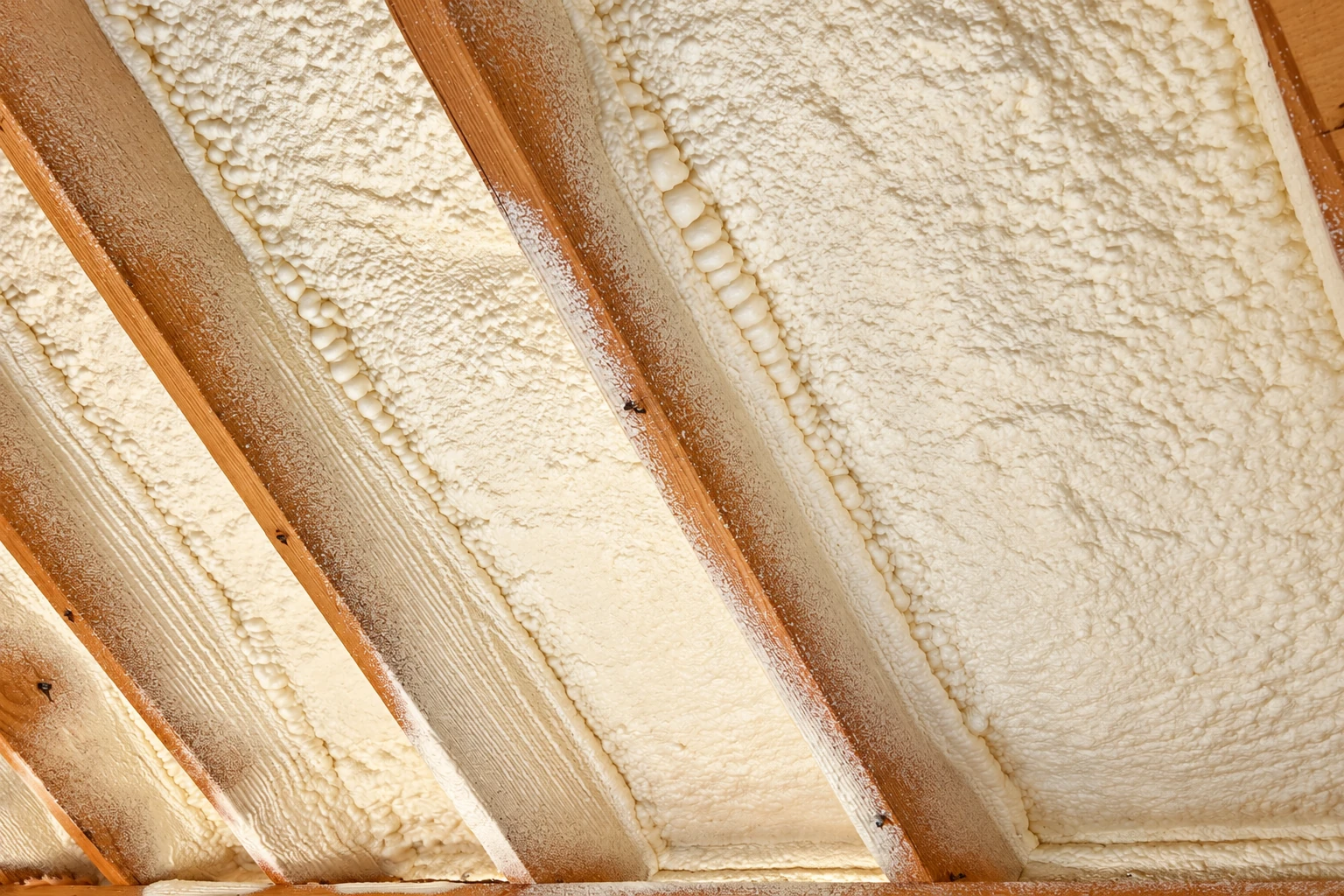
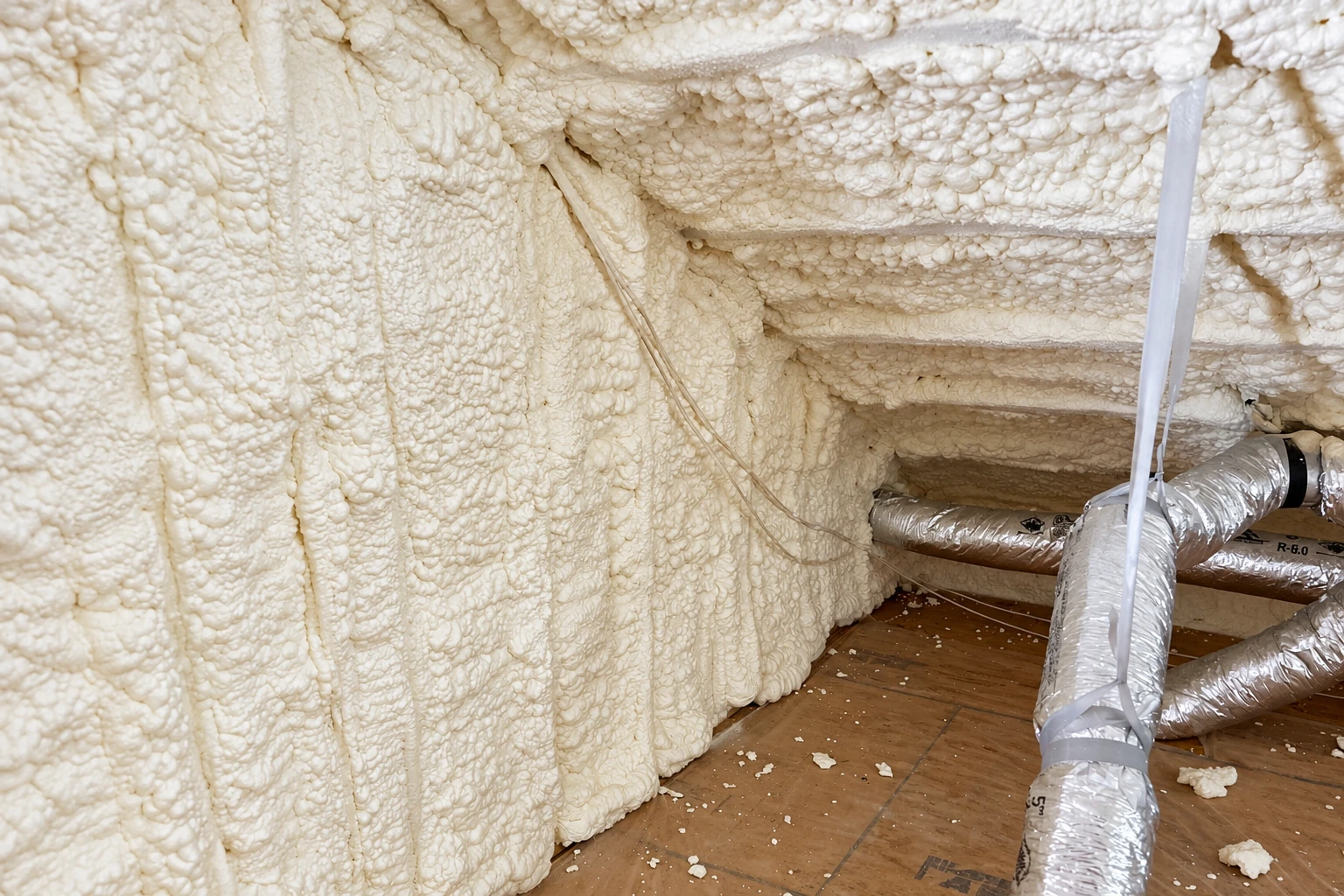
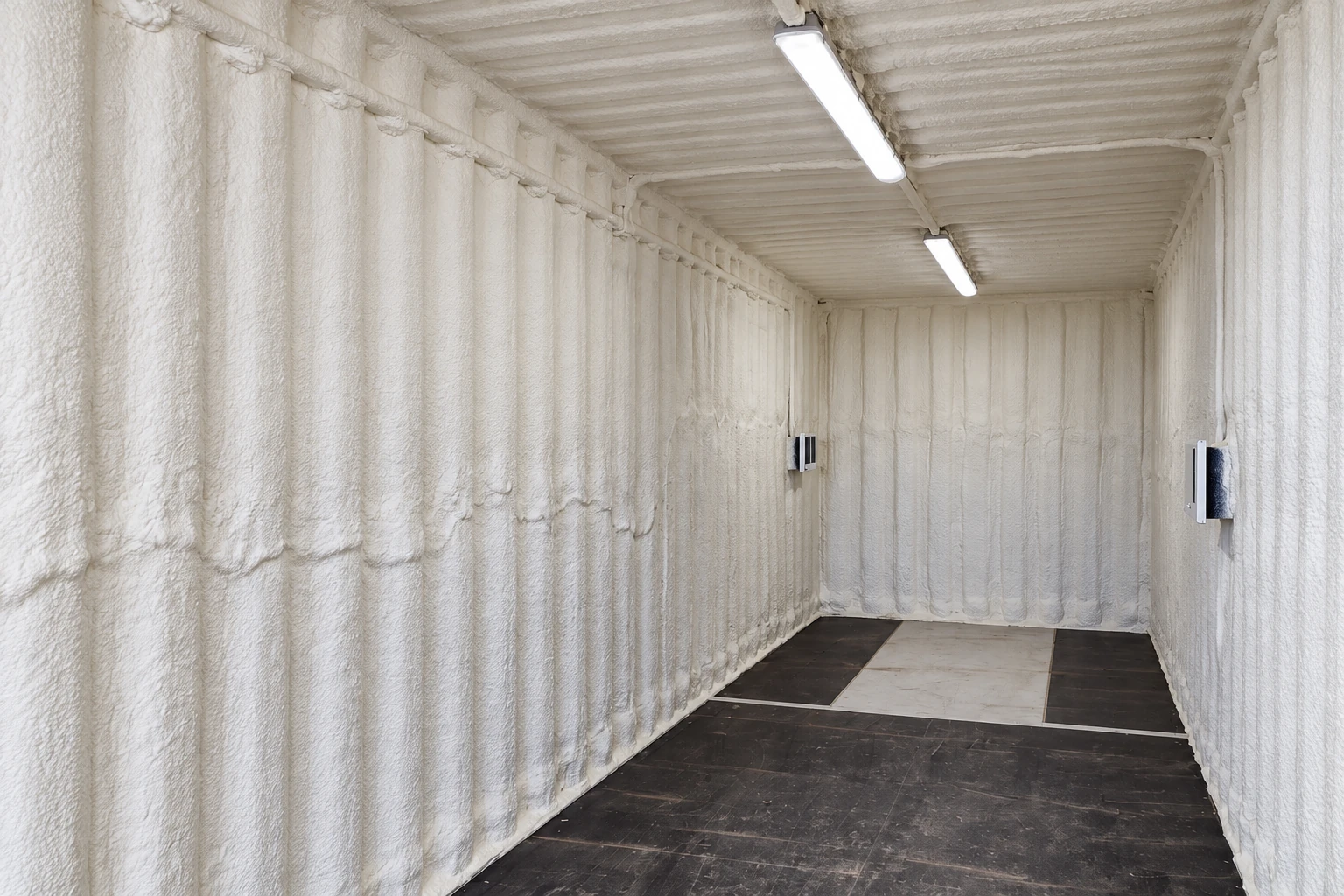
Most attics do well with the gaps sealed and a top-up of blown-in insulation, which is loose fill blown through a hose, as long as what's already up there is dry and clean. Foam costs more, but it seals air while it insulates. It earns that cost when your ductwork runs through the attic, because sealing the roof deck keeps the air around those ducts closer to the temperature inside your house. At the estimate I'll walk you through open-cell foam insulation and loose fill side by side, and tell you which one I'd pick for your house and why.