
Closed-cell foam insulation in Brentwood CA - sealed and insulated where space is tight
Room over the garage too hot, with no space for thick insulation? A thin layer of foam seals the leaks and keeps heat out.
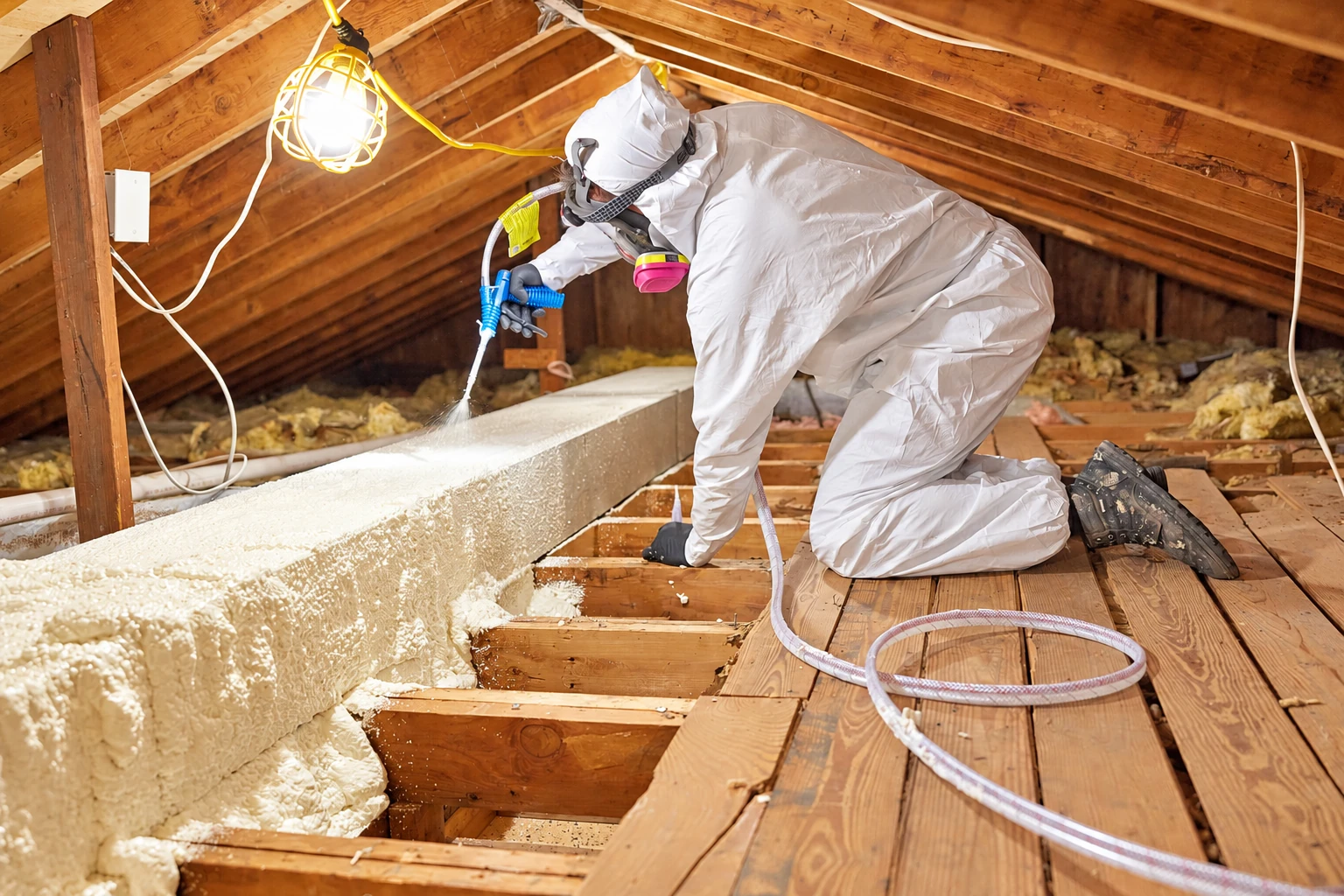
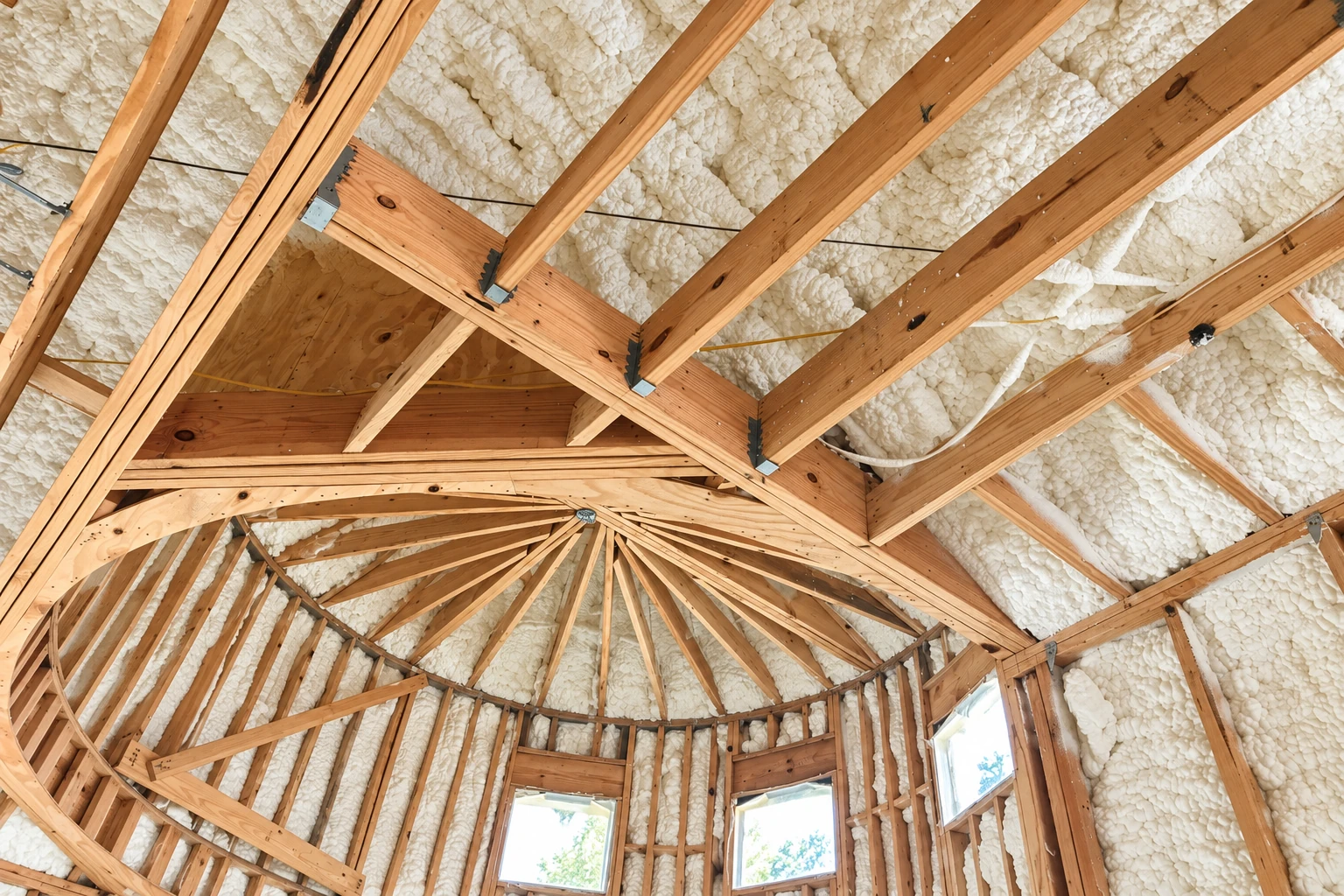
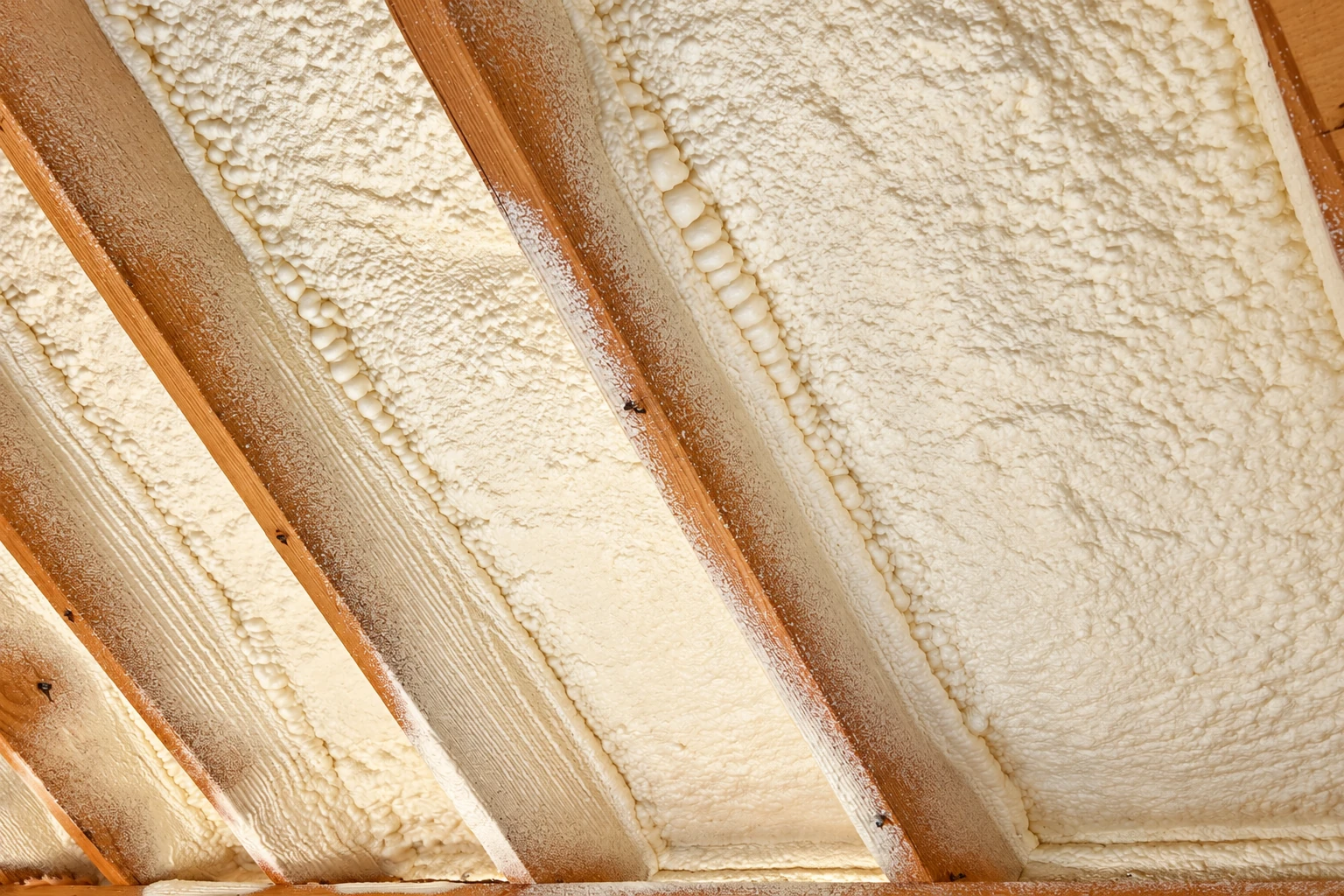
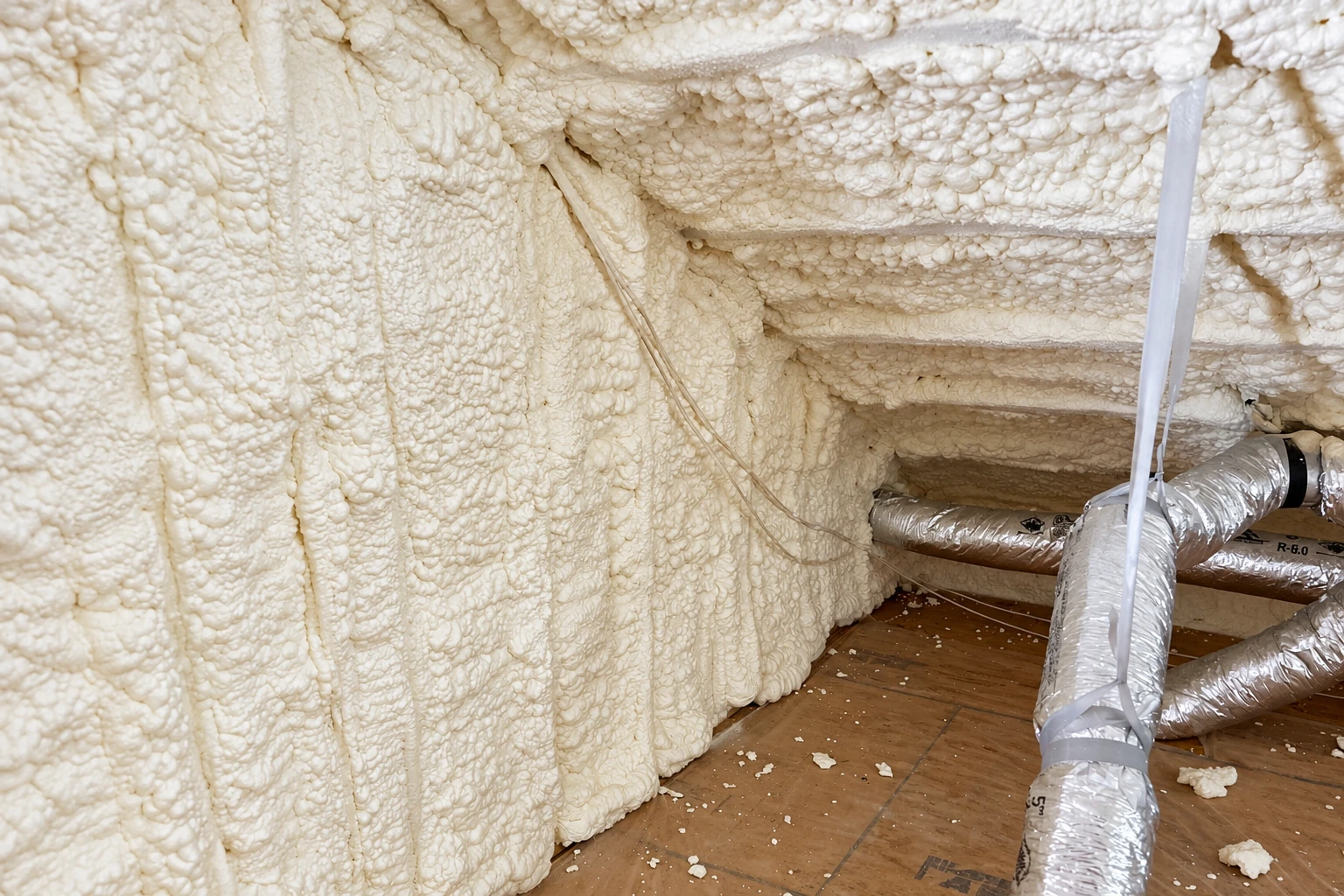
I look at the space myself
I come out to look at the job and write the estimate, so the person who crawled your attic is the one pricing it. Our crew lead then runs the work on site with a small crew.
In business since 2021, prep first
We started in 2021, and I learned the trade on another crew, crawling attics and running the blower. Five years on, the habit that stuck is order, so the prep gets done before any foam goes on.
Licensed and insured, glad to show it
We're licensed and insured, and we talk through the safety steps for your job before work starts. Your satisfaction, guaranteed. Call (925) 503-1068 or use our estimate form to set up a visit.
Closed-cell foam insulation in Brentwood
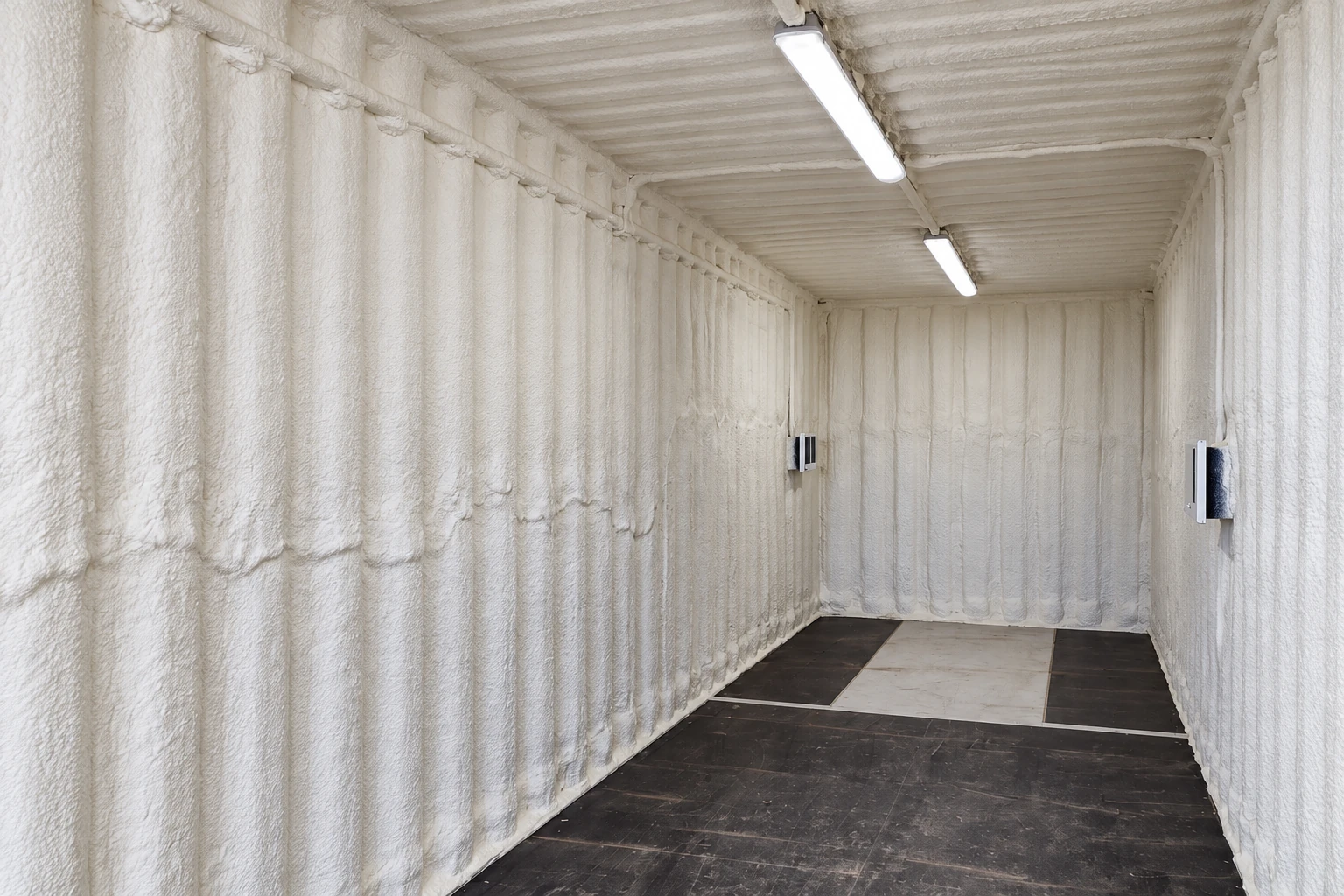
Closed-cell foam insulation is a dense, rigid foam we spray into attics, roofs and walls, where it insulates and seals air leaks in one layer. It helps Brentwood, CA homeowners with a hot room upstairs or over the garage and too little space for thick insulation.
The first decision is whether foam is the right fit at all. It costs more than other insulation, and it seals air while it insulates, so it earns that price where space is tight or where your ductwork runs through the attic. In an attic with room to spare, sealing the gaps and topping up the loose fill already there usually wins, and I'll tell you that at the estimate.
Price moves with the square footage, how thick the foam goes and how much prep comes first, and spraying the underside of the roof to seal off the attic costs more again. The schedule turns on that prep and on planning the time you'll spend out of the house. The written estimate lists the prep, and if your job needs a permit, we handle the application and inspection and I'll tell you at the estimate whether we're pulling one.
How we install closed-cell foam insulation
Thin layers where space is tight
Closed-cell does a lot in a thin layer, so we suggest it where space is tight, like a shallow roof line over a bonus room or a wall cavity with no room for more. Each inch rates R-6, R-value being how well insulation slows heat, so you can reach required insulation levels without the depth thicker material needs. Where a space does have room, open-cell foam insulation costs less per square foot and is worth comparing before you decide.
Fixing problems before foam goes on
In a kitchen you don't plate before the prep is done, and an attic works the same way. Leaks, damp spots and old wiring get handled first, because at its usual thickness closed-cell foam is essentially sealed against moisture, so anything wet under it stays wet. We also pull out old insulation that's soaked or full of droppings instead of covering it. I'd rather tell you a job isn't ready yet than do it twice.
Planning around health and time away
Before we book, I ask whether anyone in the house has asthma, allergies or chemical sensitivity. Federal safety staff advise people with skin conditions, respiratory allergies, asthma or an existing sensitivity to isocyanates, the chemicals in spray foam, to read the product information closely, and some of those households choose a different insulation. If foam is the right call, we plan your time away before the date is set, and we plan the same way around tenants and staff on commercial insulation jobs.
Get a written estimate for closed-cell foam
Tell us the area you want insulated and any health concerns at home, and we'll reply within one business day by phone or email. The on-site estimate is free, with no obligation.
(925) 503-1068What to expect on a closed-cell foam job
Call or send the form
Call (925) 503-1068 or send the form, and we'll set up a time for me to come see the house. It helps to know which area you want insulated and whether anyone at home has asthma, allergies or chemical sensitivity.
I look and write it up
I go into the attic or crawl space, check how many inches are already up there and look for damp or old wiring, then walk you through what I'd do first. The written estimate covers that, and we pick your days away together.
Our crew sprays and cleans up
Our crew lead and a small crew do the prep, spray the foam and clean up as they go while you're out. Once the house has aired out and you're back, the crew lead walks the finished job with you.
Closed-cell foam questions from Brentwood
How much does closed-cell spray foam cost in Brentwood?
Across the US, professionally installed closed-cell spray foam usually costs about $3 to $5 per square foot. That's a national figure, not a Brentwood quote or our price. I'll put your own figure in writing after I've looked at the space and know what prep it needs.
How long do we have to stay out after spray foam?
Plan on at least 24 hours out of the house, kids and pets included, since federal safety staff advise leaving during and after installation for at least that long. EPA guidance ties your return to the house being fully aired out, so the stay can stretch with the foam, airflow, temperature and humidity. We set your days away before we book.
Can closed-cell foam go in a cathedral ceiling?
Yes, closed-cell foam can be used to build cathedral ceilings and unvented attics, with the foam sprayed against the underside of the roof. Rafters there leave little depth, which is where dense foam earns its keep. Both kinds of spray foam count as combustible, so ask us how we'll handle any foam that's left exposed.
Who is licensed to install spray foam insulation in California?
In California, the state licensing board classes contractors who install insulation as C-2 Insulation and Acoustical Contractors. Federal safety staff also suggest confirming an installer's training, insurance and licenses, checking references and talking through safety steps before work starts. Insulation here also follows the state energy code, where some rules for a home's outer shell depend on its climate zone.