
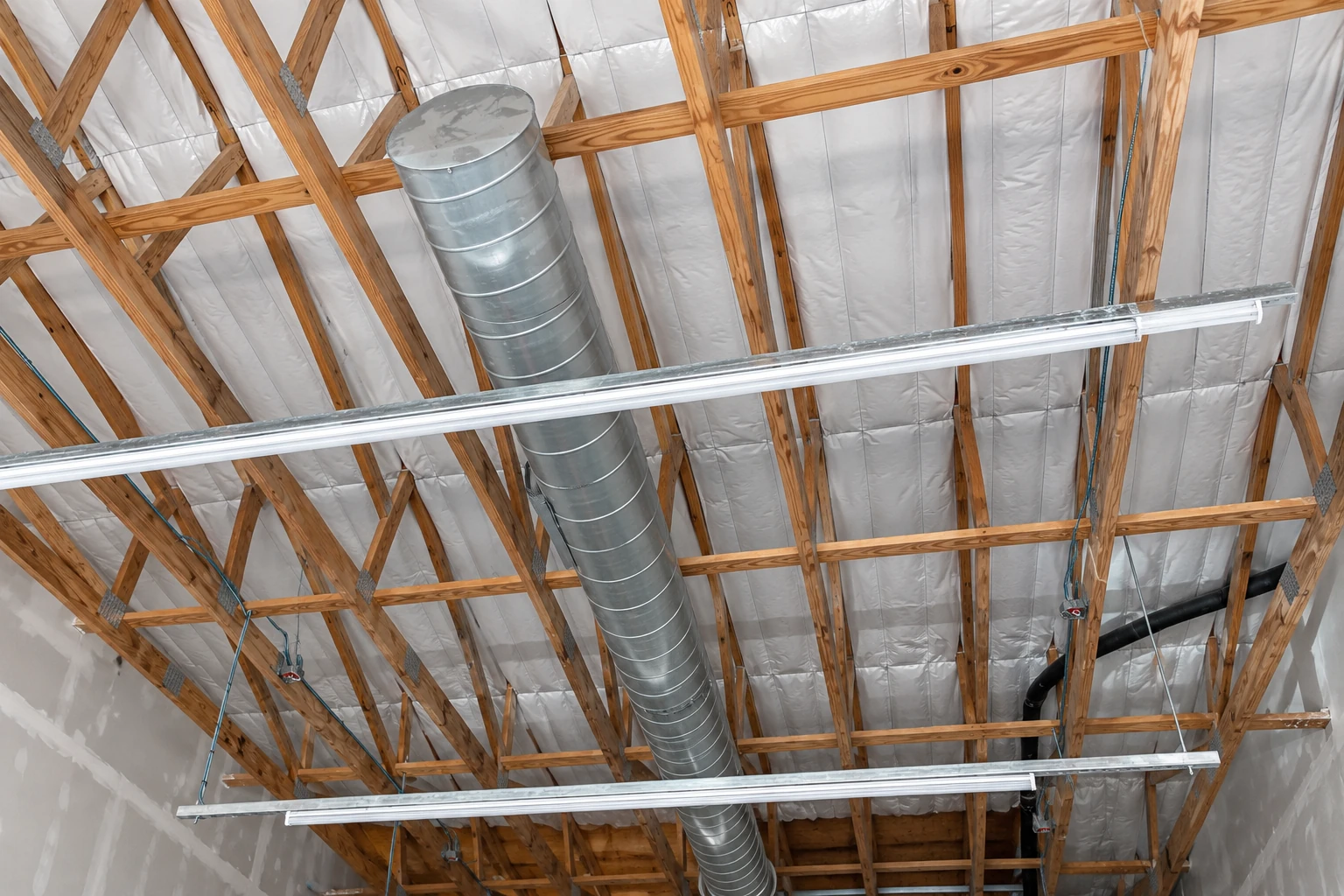
Most calls we get from Antioch are about upstairs bedrooms that stay hot into the evening, a room over the garage that never feels right, or a power bill that climbs every summer. It's a dry climate, so the attic bakes for months, and when I get up there I usually find gaps around can lights and pipes, insulation that's thin at the edges and, in a lot of houses, ductwork running through the attic. We see much the same in Oakley and Pittsburg, and since we're based in Brentwood, Antioch is close to home for our crew.
That's why I look before I talk about materials. Where the ducts sit, how much is already up there and whether any of it is wet or dirty set the order of the work, and in an attic the order is most of the job.
What moves the price and the schedule
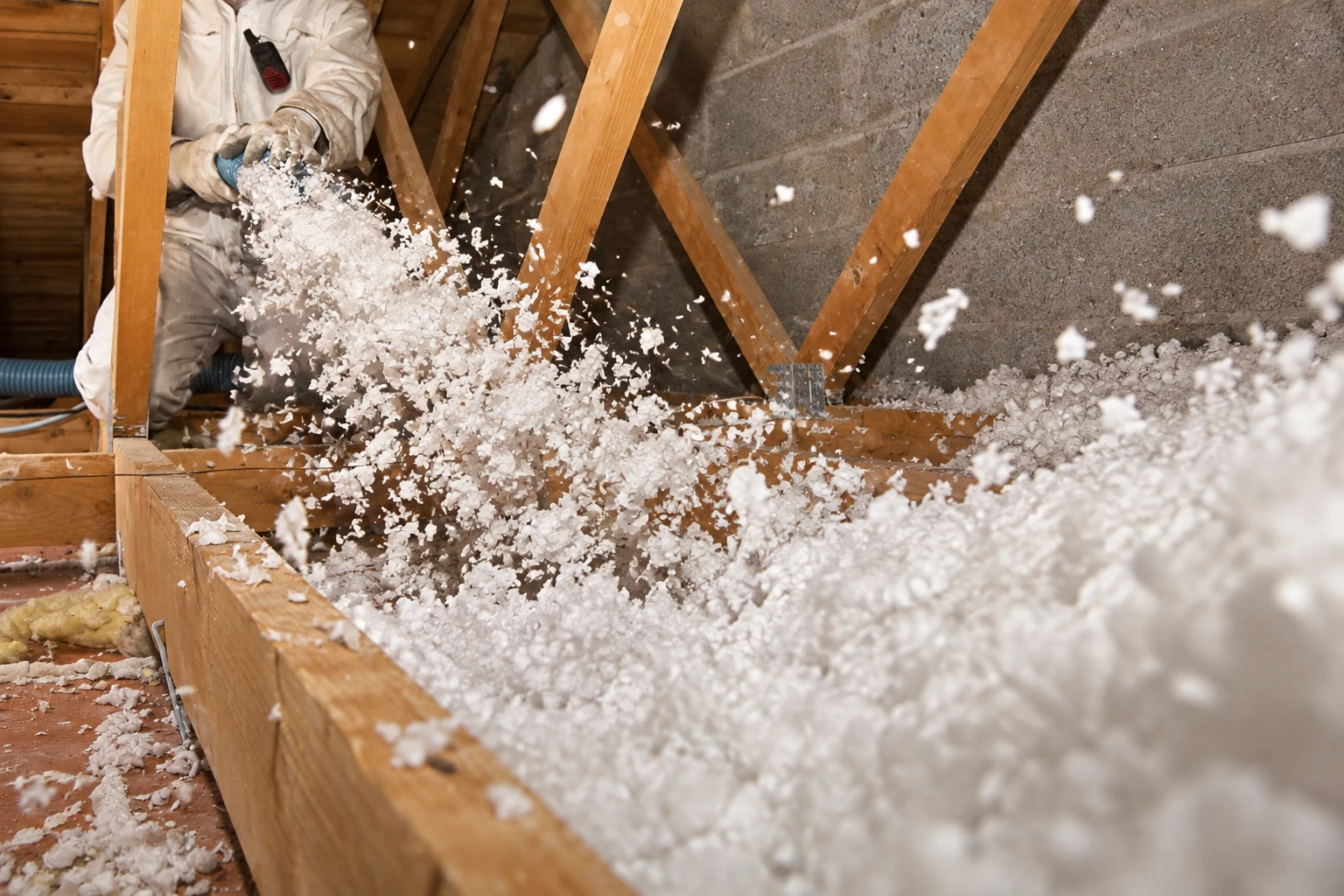
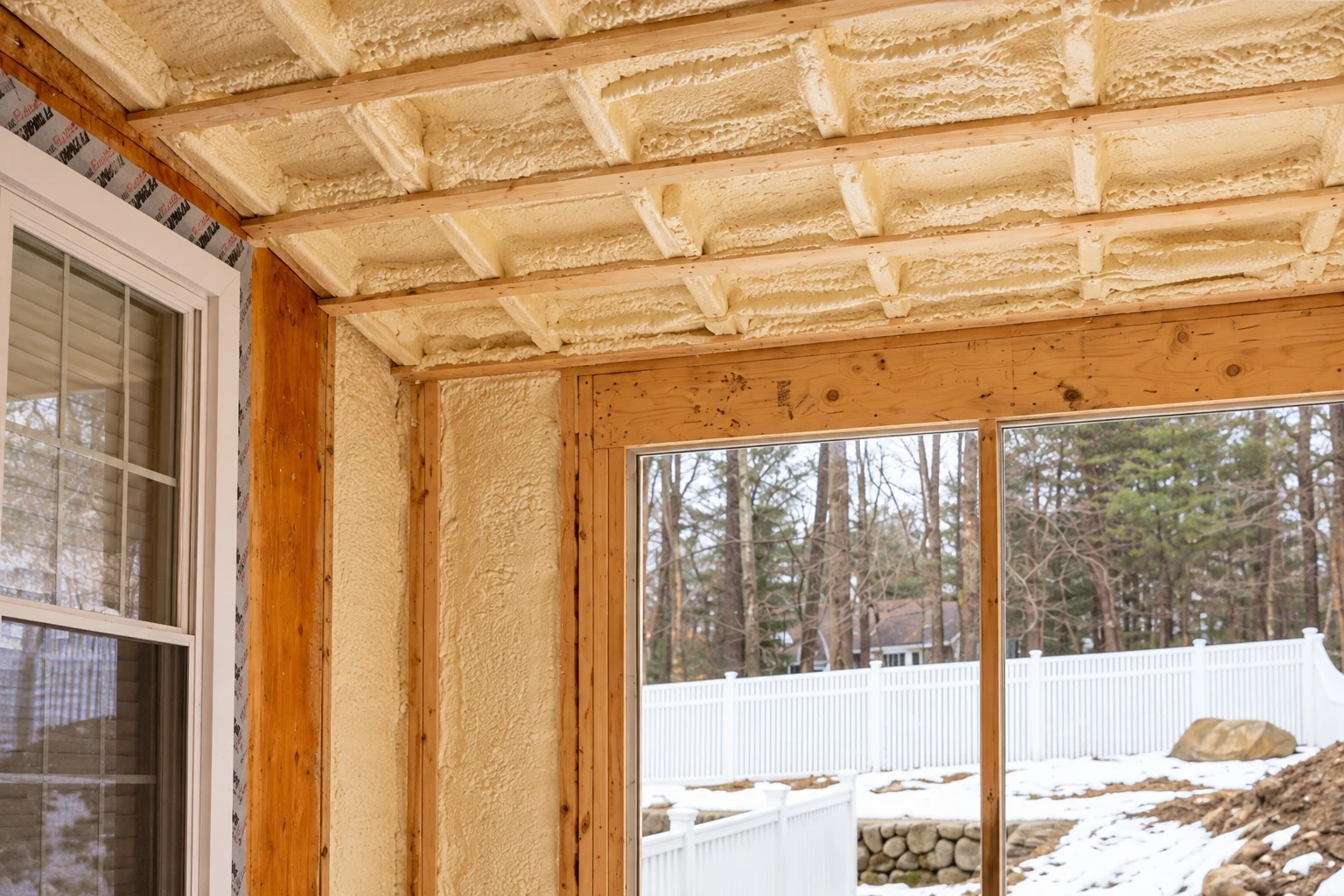
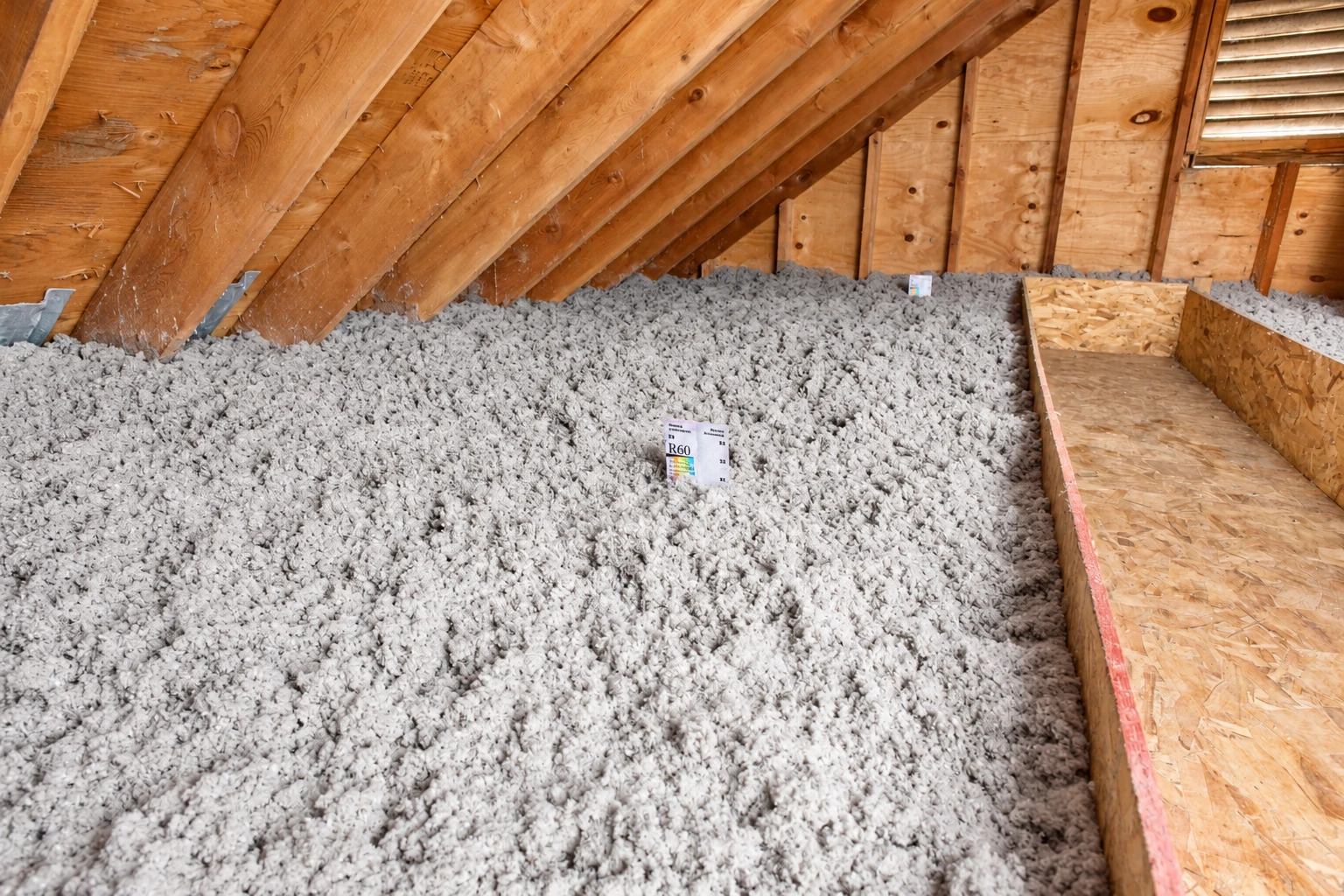
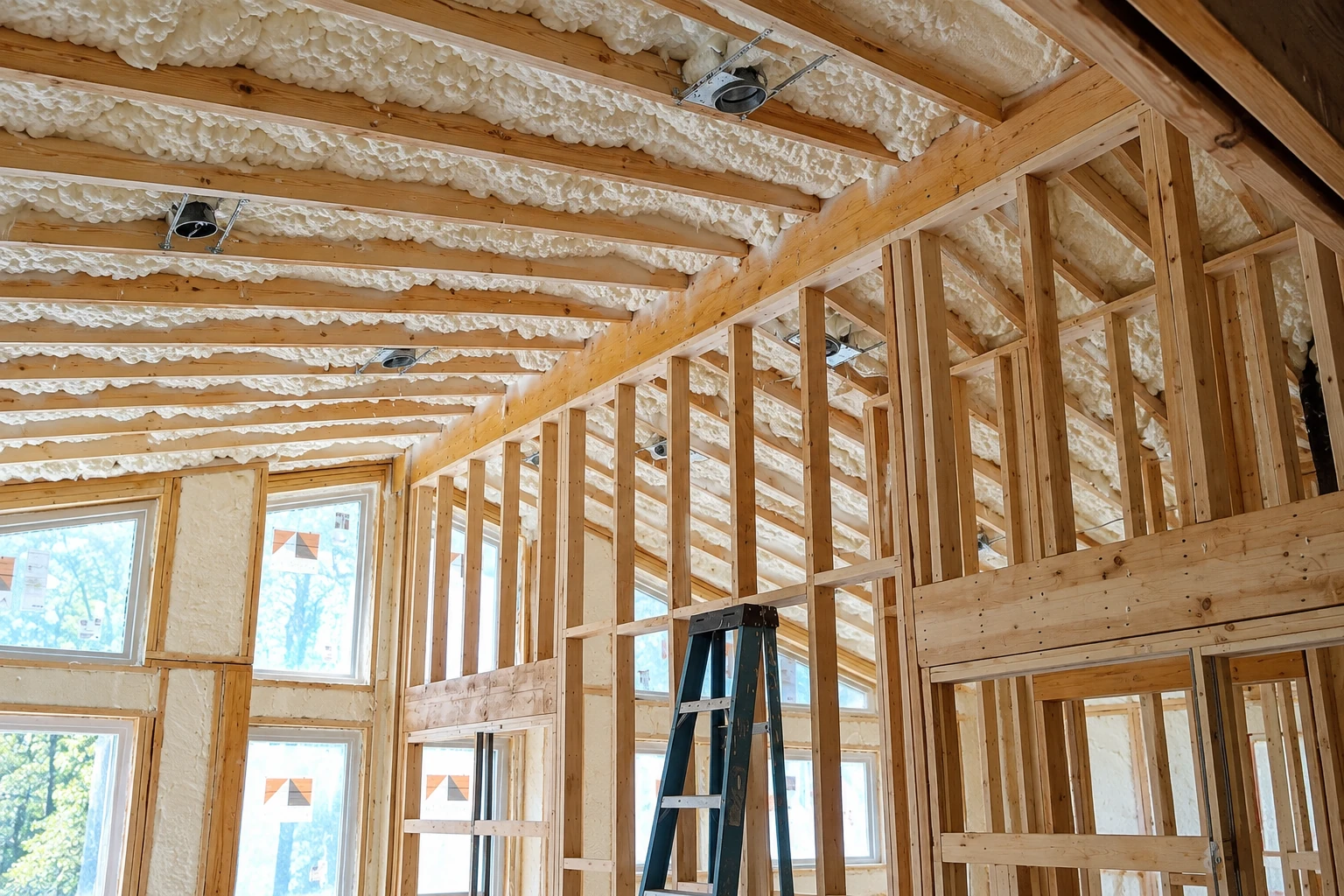
The price follows the attic. Its size, how easy it is to reach, how many inches are already up there, how many gaps need sealing and whether old material has to come out all count, and foam costs more than loose fill. The schedule turns on that same prep, plus a permit when the job needs one, because I'd rather fix a leak or old wiring before anything new goes in than do the job twice. My written estimate lists the prep along with the insulation, so you see both before you decide, and our attic insulation page walks through how that work goes.
Licenses to ask about before you hire
Two licenses matter on an Antioch job. The city requires a current business license from everyone doing business in Antioch, subcontractors included, and it's issued for one year at a time, so it's fair to ask whether a contractor's license is current. The state licensing board requires a contractor's license whenever a job needs a building permit, uses any hired workers, or comes to $1,000 or more in labor and materials, counting every contract on the project. Ask to see both before anyone starts work in your attic. We're licensed and insured, and I'm happy to answer license questions at the estimate.
Getting your attic ready for the crew
Our crew needs a clear path to the attic hatch, whether it's in a closet, a hallway ceiling or the garage, so moving boxes and hanging clothes out of the way before we arrive saves time. Anything stored on the attic floor has to come down, because insulation can't go under it. Once we're up there, we start with air sealing, closing the gaps around can lights, pipes and the hatch, so the new insulation isn't fighting a draft. We keep the vents at the eaves clear so the attic can still breathe. Our crew lead runs the work on site with a small crew.