We're an insulation contractor based in Brentwood, CA, and we come out to Mountain House the same way we head over to Tracy or up to Concord. The calls here sound a lot alike: a bedroom upstairs that runs warm, a room over the garage that never matches the rest of the house, a power bill that seems high for a house this new. Mountain House is mostly neighborhoods of newer homes, and the city is still growing.
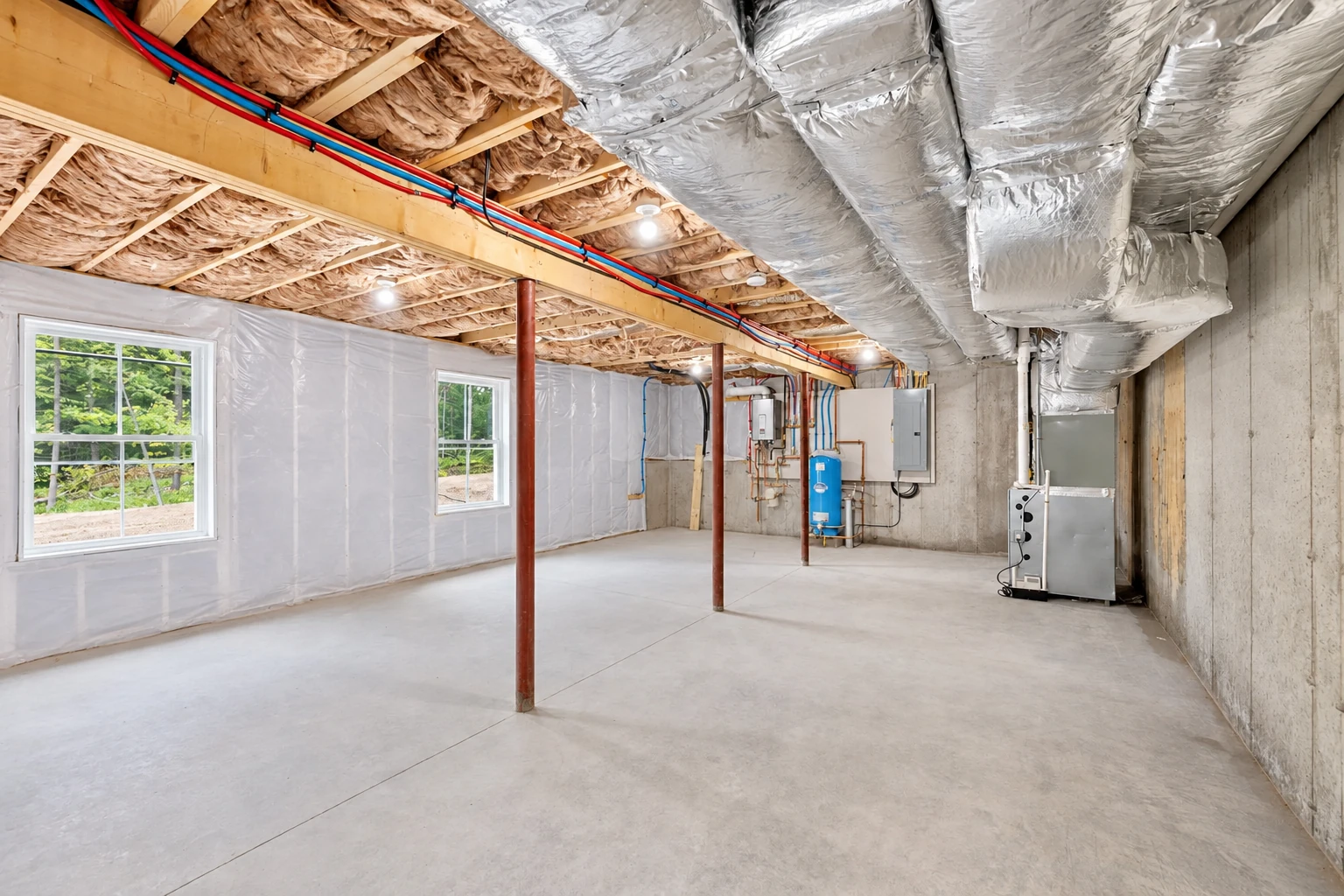
Newer houses usually already have insulation in the attic, so the job here is less often a tear-out and more often finding where the house leaks air and where the coverage went thin, which is usually out at the edges near the eaves.
What moves the price and the timing
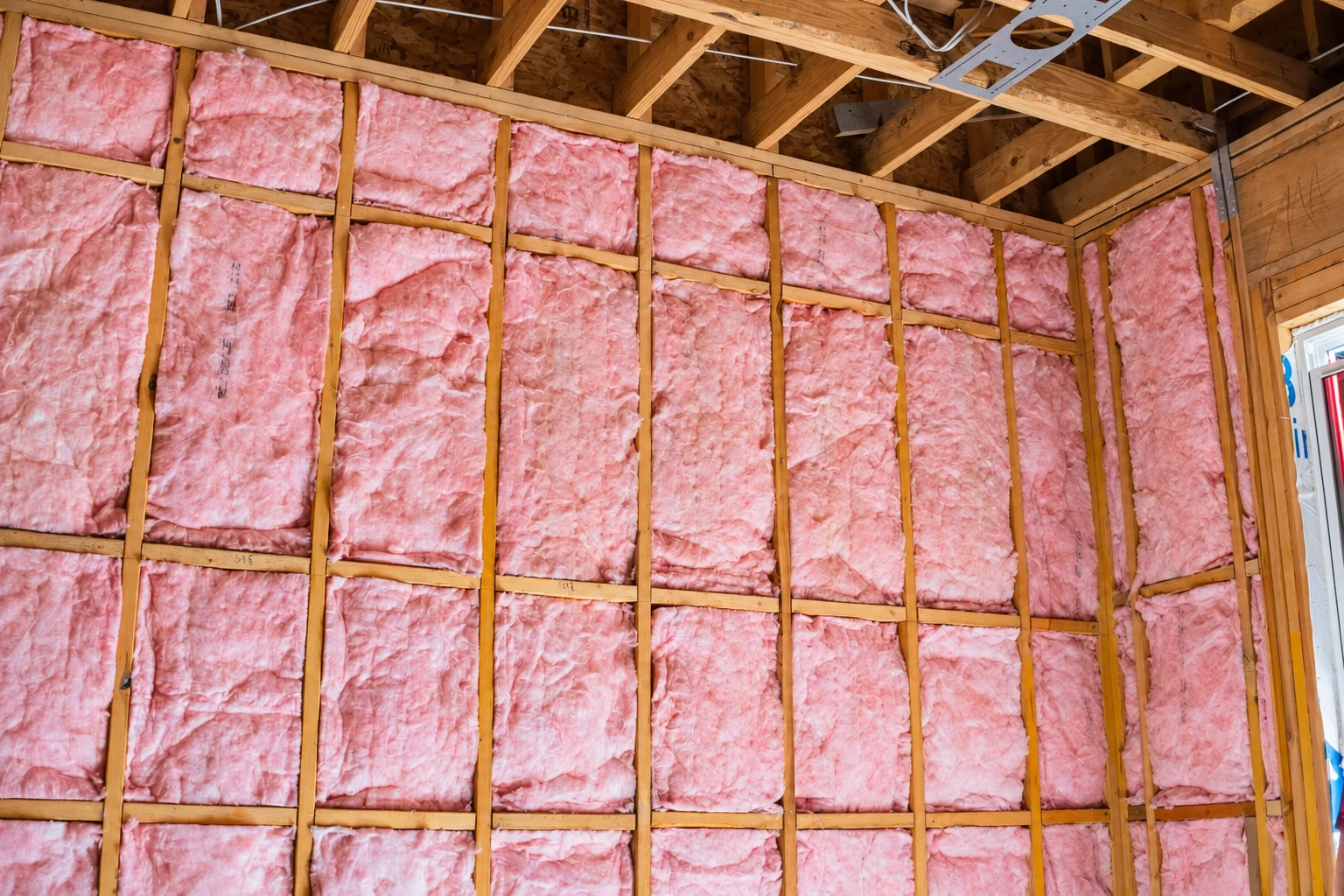
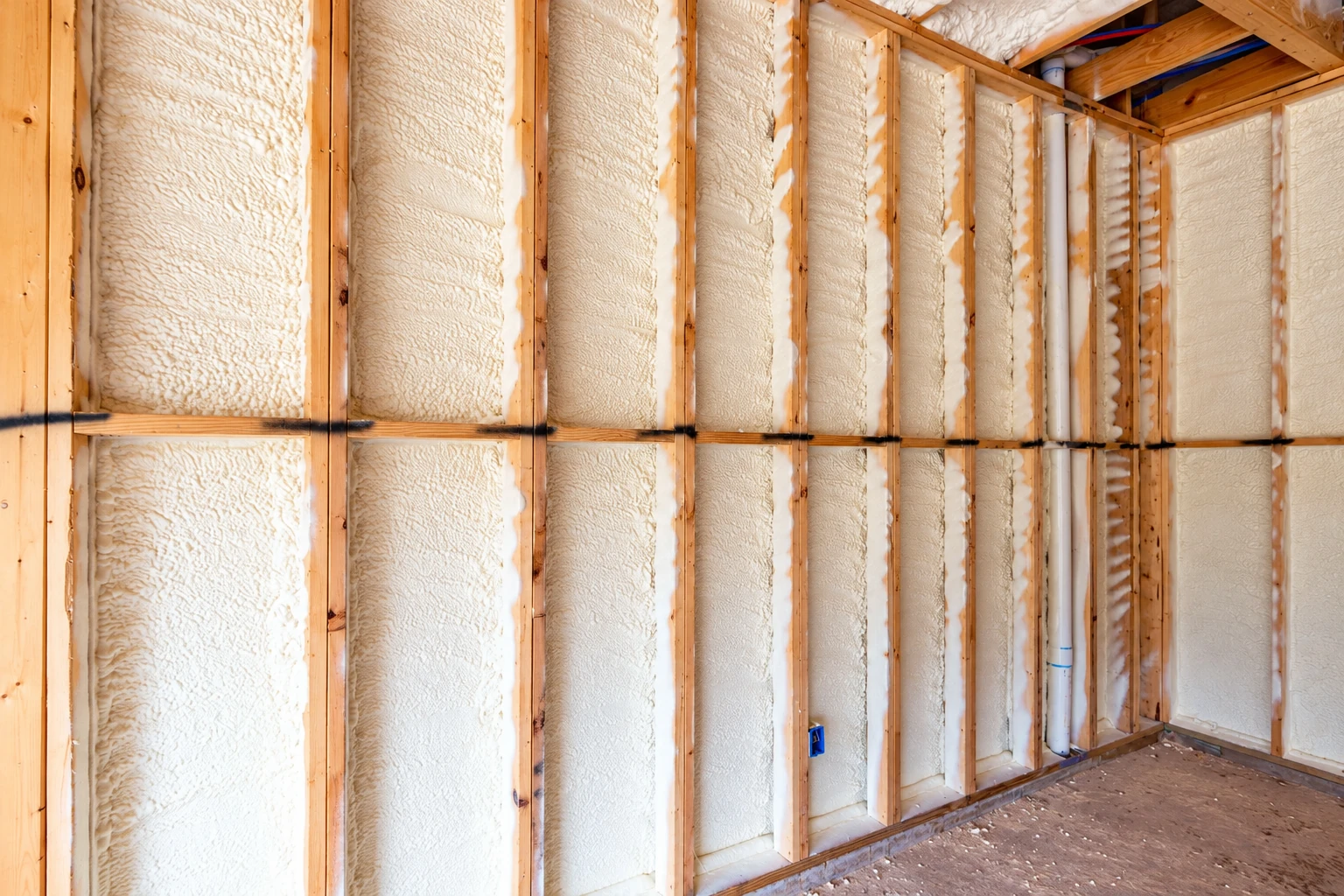
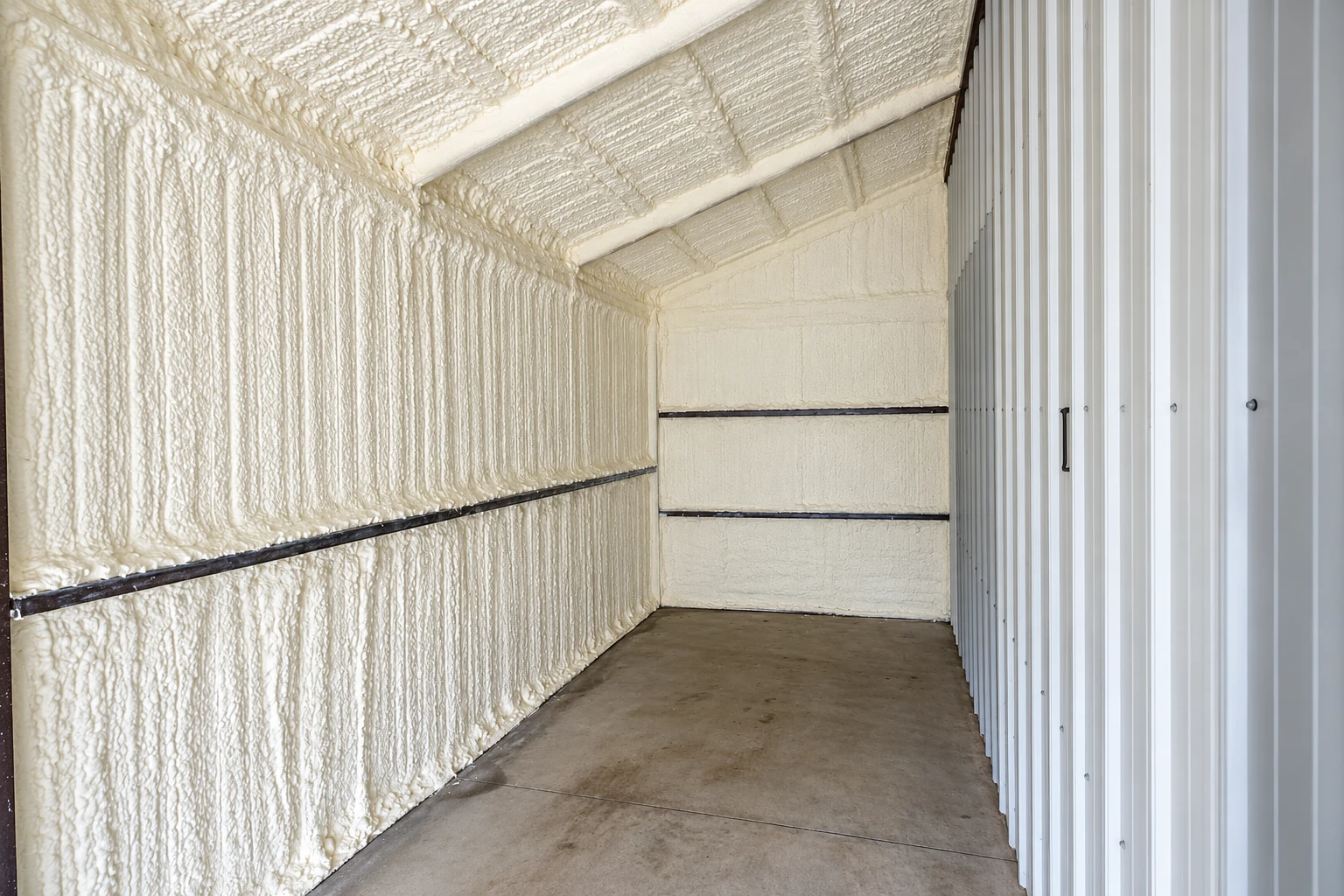
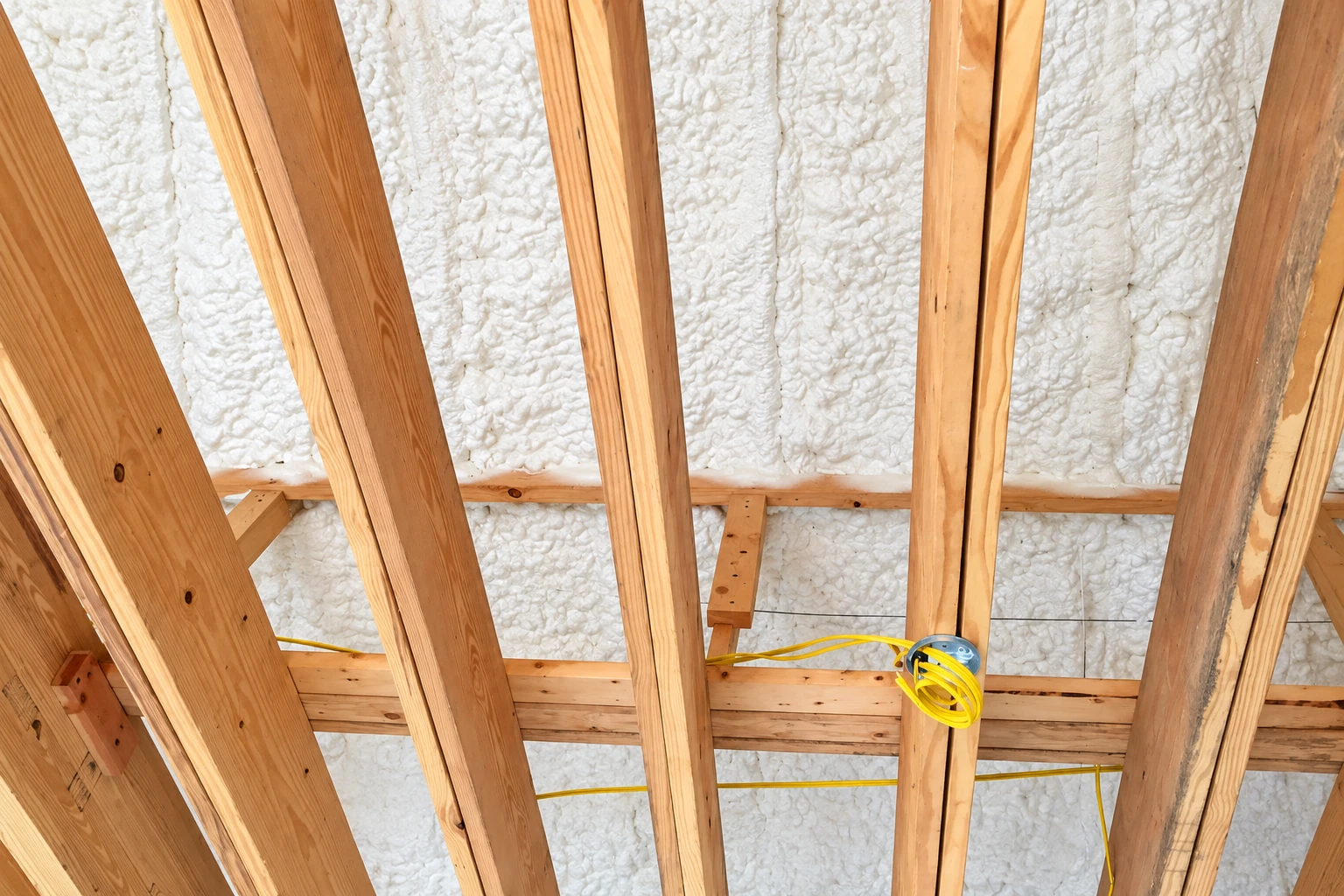
Your price depends on what I find when I look in your attic. Its size and how easy it is to move around up there matter, and so do how many inches are already down and what shape they're in, because material that's damp or full of droppings has to come out before anything goes over it. The number of gaps to seal and the choice between foam and loose fill move it too. Timing turns on that same prep, plus any permit inspection. The written estimate lists the prep work beside the insulation, so your own figure comes with the reasons behind it.
Building rules here belong to the city
Mountain House is its own city now, so building questions go to the city's Building Division, part of its Community Development Department, rather than to San Joaquin County. That division enforces the city's Building Code and reviews and inspects construction work. When your job needs a permit, we handle the application and the inspection with the city, and I'll tell you at the estimate whether we're pulling one for your job. I'm the one who comes out and writes that estimate, and our crew lead runs the work on site with a small crew.
Seal the attic first, then look at the walls
In an attic we close the gaps around can lights, pipes and the hatch before any new insulation goes in, because insulation laid over a draft just keeps fighting it. We keep the eave vents clear so the attic can still breathe, and we carry the depth all the way out to the edges, where coverage usually runs thin. If a room over the garage still runs warm once the attic is right, that's when we talk about wall insulation. I'd rather wait and see than open up walls that didn't need opening.