
Livermore is one of the farther cities we work in from Brentwood, and the calls sound a lot like the ones we get at home. People call about an upstairs that won't cool down, a room over the garage nobody wants to sit in, cold floors in winter, or a power bill that keeps creeping up. We see houses of every age here. Some older homes have a few tired inches left in the attic, and some newer ones have coverage that's deep in the middle and thin at the edges, which is backward. We do the same work over in Dublin and up in Walnut Creek.
Most of what decides a Livermore job is what's already up there: how many inches, whether it stayed dry, and what's leaking through the ceiling under it. I look at all of that before I write a number down, because it sets the order of the work.
What moves the price and the schedule
The price mostly comes down to the size of the attic, how many inches are already up there, and how much has to happen before anything new goes in. Old material that got soaked or is full of droppings has to come out first. Gaps around can lights, pipes and the hatch take time to seal, so they add to the number, and foam costs more than loose fill. The schedule turns on that same prep and on whether your job needs a permit. Your written estimate lists the prep work along with the insulation, so you'll see both before you decide anything.
Drying out and sealing before we insulate
In a kitchen you don't plate before the prep is done, and an attic works the same way, so we deal with leaks, damp spots and old wiring before new insulation goes in. Livermore gets about 16 to 18 inches of rain a year, mostly October through April, and summers usually stay dry. A slow roof leak can hide until winter and leave a stain in the old insulation. If I find one, I'll tell you the attic isn't ready yet rather than cover it up. Once it's dry, we air seal, closing the gaps that let attic air into your rooms, so the new insulation isn't fighting a draft.
Foam or loose fill, and cold floors
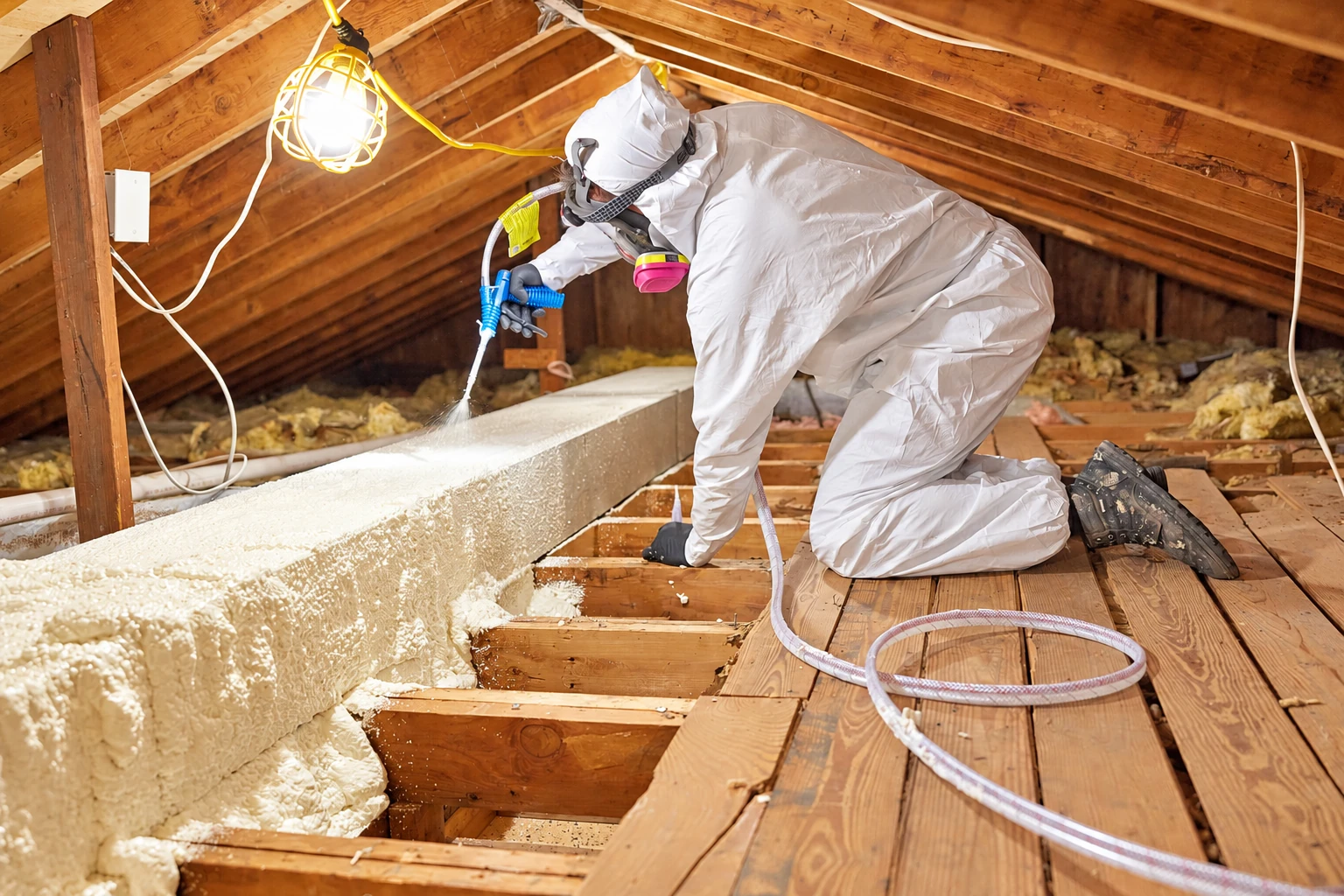
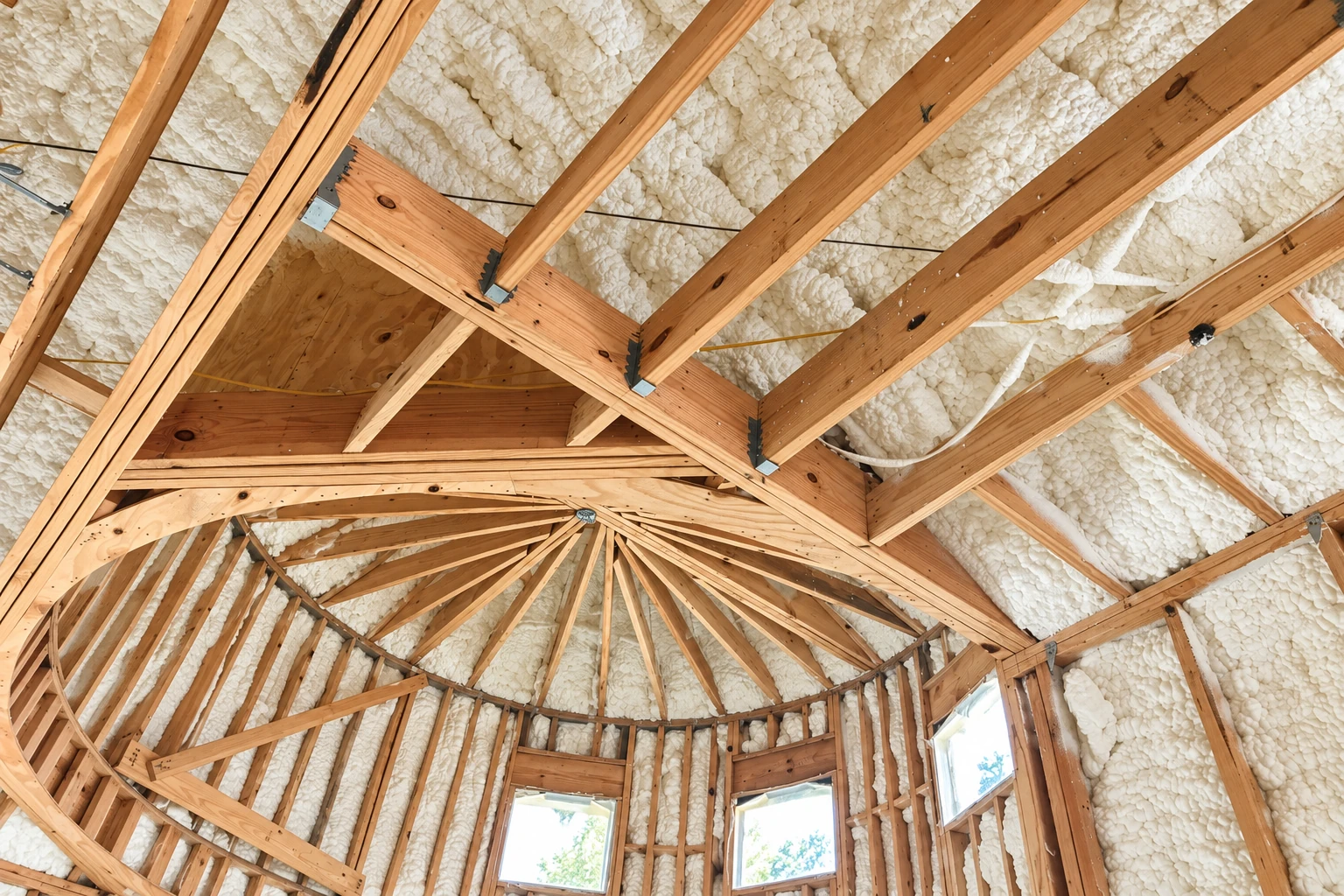
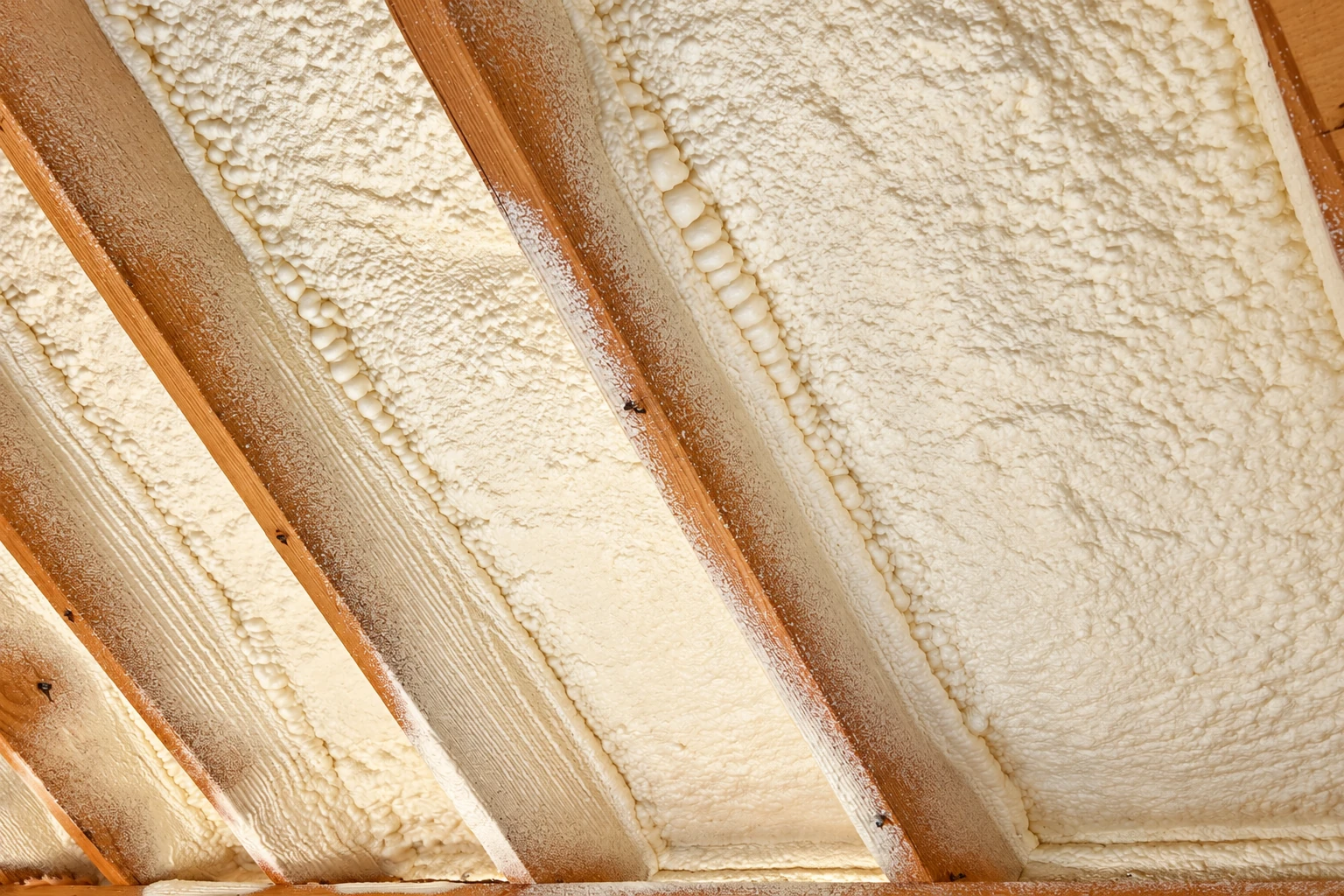
Spray foam costs more, and it seals air while it insulates. For most attics, sealing the gaps and topping up with blown-in insulation, which is loose fill blown in through a hose, does the job for less. The exception is when your ductwork runs through the attic, and then foam usually earns what it costs. Either way, we keep the eave vents clear so the attic can still breathe, and we carry full depth out to the edges. Cold floors usually point lower, to the crawl space. If your house has a basement, our basement insulation work covers that too.