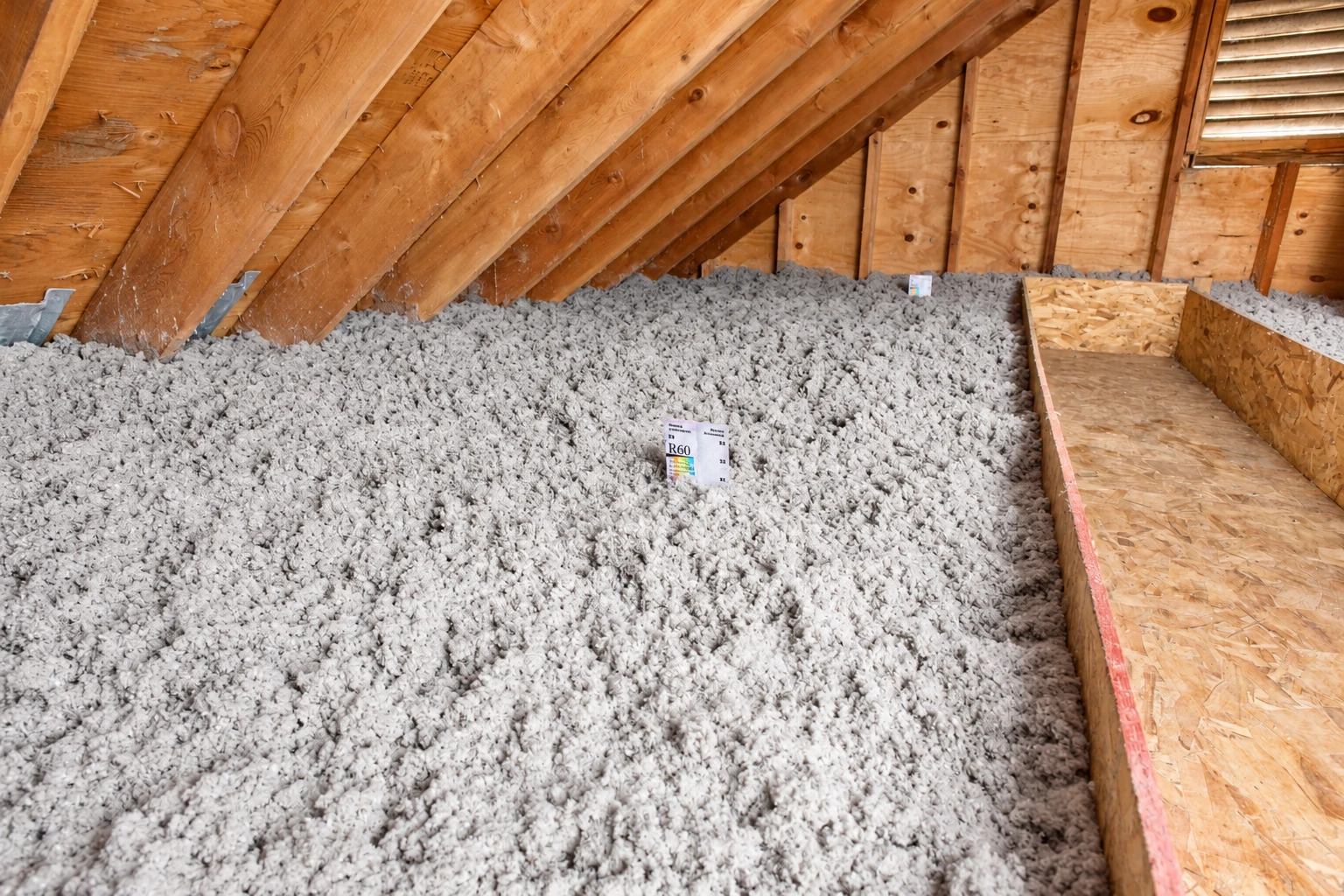
Blown-in insulation in Brentwood CA - an even layer all the way to the eaves
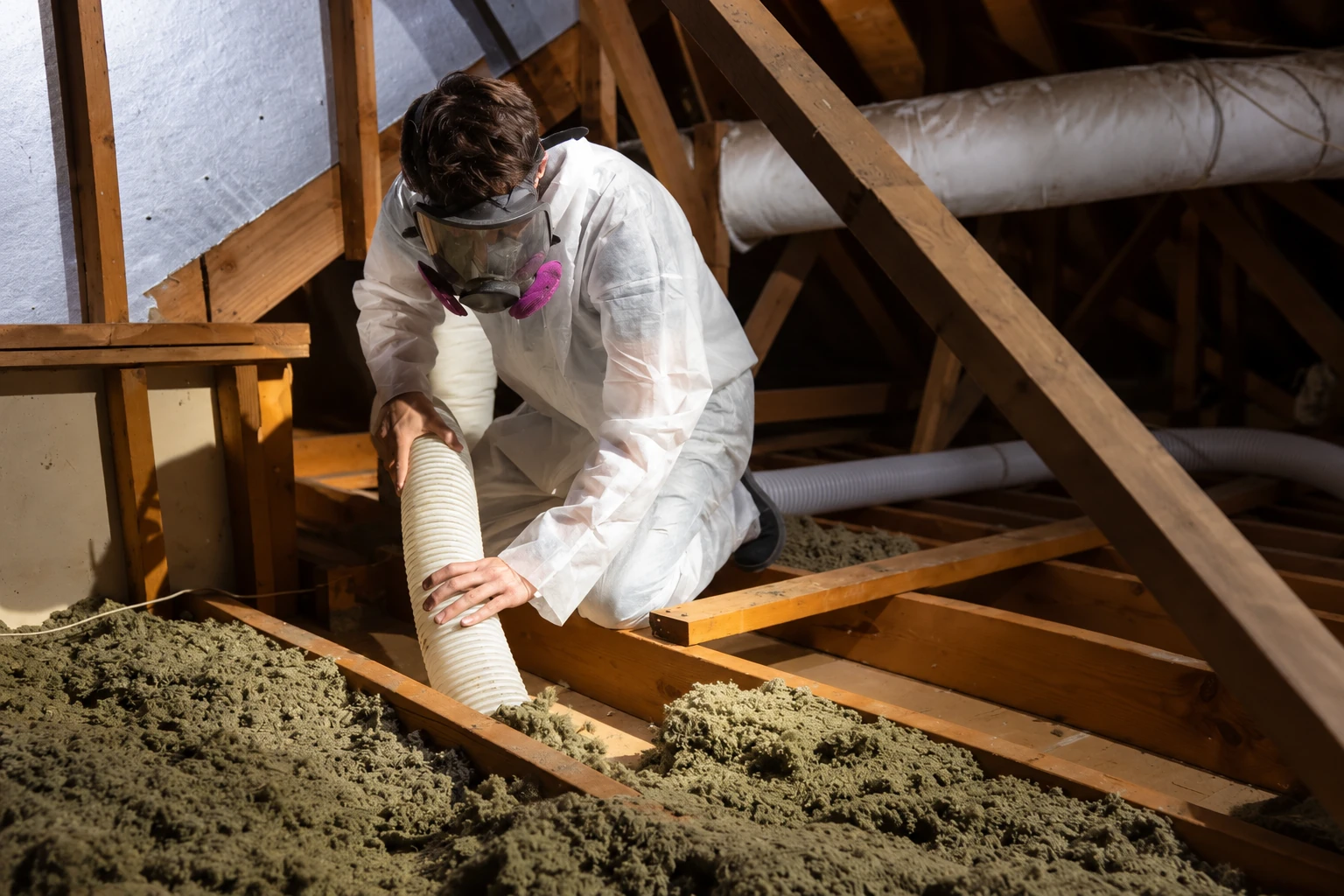
If the upstairs runs hot and the ceiling feels drafty, we seal the attic first, then blow in an even layer out to the edges.
I look at your attic myself
I come out, go up into the attic or crawl space myself and write the estimate, so the person pricing your job has actually seen it. Our crew lead then runs the work on site with a small crew.
Working out of Brentwood since 2021
I learned this trade on an insulation crew, crawling attics and running the blower, and started this business in Brentwood in 2021. We work in many of the cities around it, from Antioch and Oakley out to Livermore and Tracy.
Licensed and insured on every job
We're licensed and insured. Your satisfaction, guaranteed. When you're ready to have someone look at your attic, call (925) 503-1068 or send us the form, and we'll set up a time for me to come out.
Blown-in attic insulation for Brentwood homes
Blown-in insulation in Brentwood is loose cellulose or fiberglass blown through a hose onto your attic floor, where it settles around joists, wires and pipes to slow heat moving through the ceiling. It suits homes with a hot upstairs, a drafty ceiling or a thin old layer up there.
Most people call us because a room upstairs or over the garage runs hot, the floors stay cold, or the power bill keeps creeping up, and the attic turns out to have a thin, uneven layer. What moves the price is the size of the attic, how many inches are already up there, how much sealing it needs and whether old material has to come out. The schedule mostly turns on that prep, which the written estimate spells out.
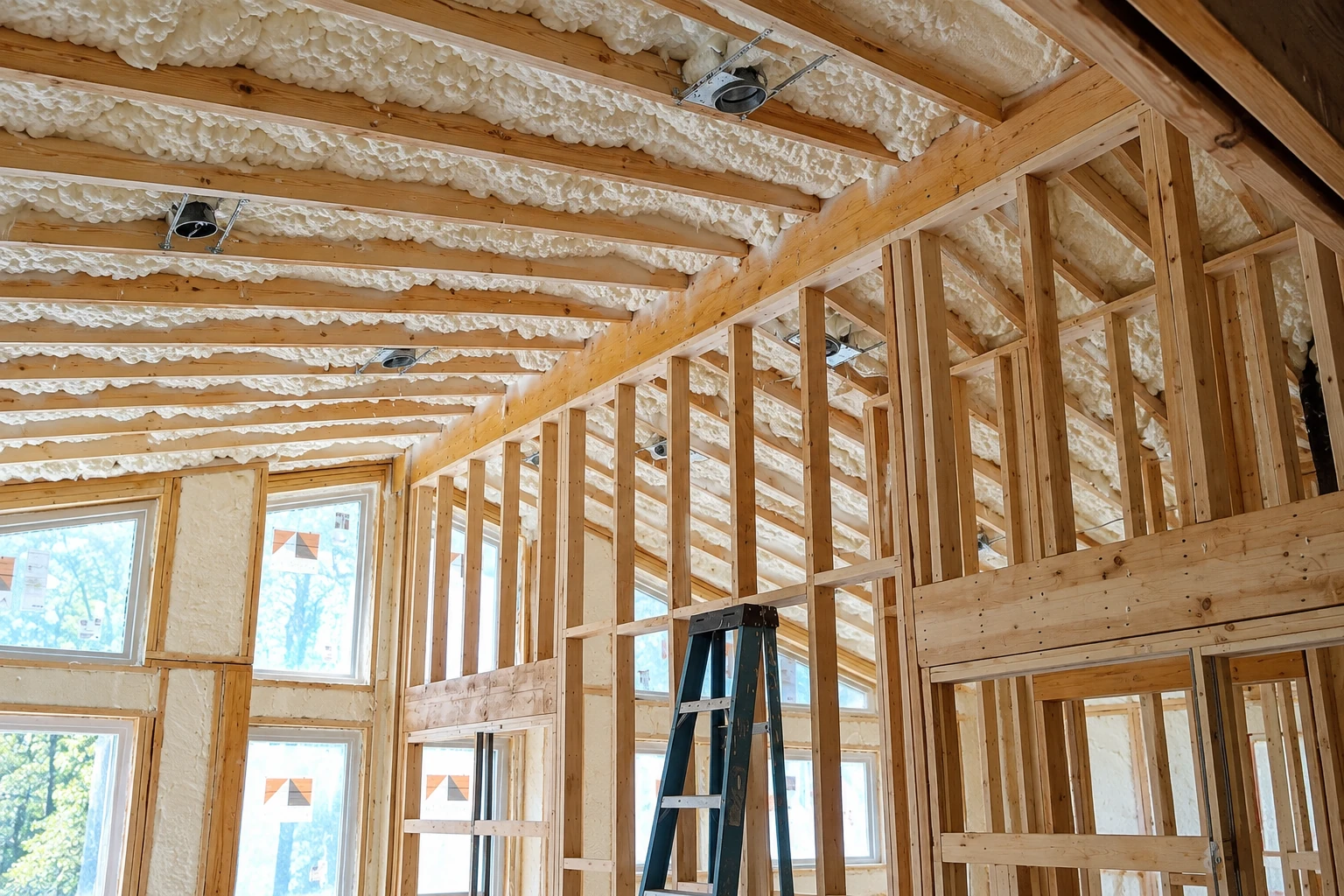
Spray foam is the other way to go, and it costs more because it seals air while it insulates. For most attics I'd seal the gaps and top up with loose fill instead, unless your ductwork runs through the attic, where foam can make more sense. In California, insulation work falls under the state's C-2 license class, which covers installing any insulating material for heat or sound, blown cellulose and fiberglass included.
How we do blown-in insulation
An even depth out to the edges
What matters most on this job is an even depth across the whole ceiling, all the way to the edges. It's easy to blow it deep in the middle near the hatch and thin at the edges, which is backward, because thin spots leave that part of the ceiling with less protection. Before we leave, we check the depth across the whole attic. If your hatch opens into the house, it usually needs blocking around it so loose fill stays put, and an insulated cover so the layer doesn't stop at a bare board.
Baffles keep the eave vents breathing
Your attic breathes through the vents at the eaves, and loose fill blown right up to the roof edge can bury them. Once that air stops moving, moisture tends to show up in the framing. So we put in baffles at the eaves before any fill goes in. They're short channels that hold the insulation back and keep a path open for air coming in from the soffit vents. That lets us blow the insulation all the way to the edge of the ceiling without choking off the vents.
Topping up or taking it out
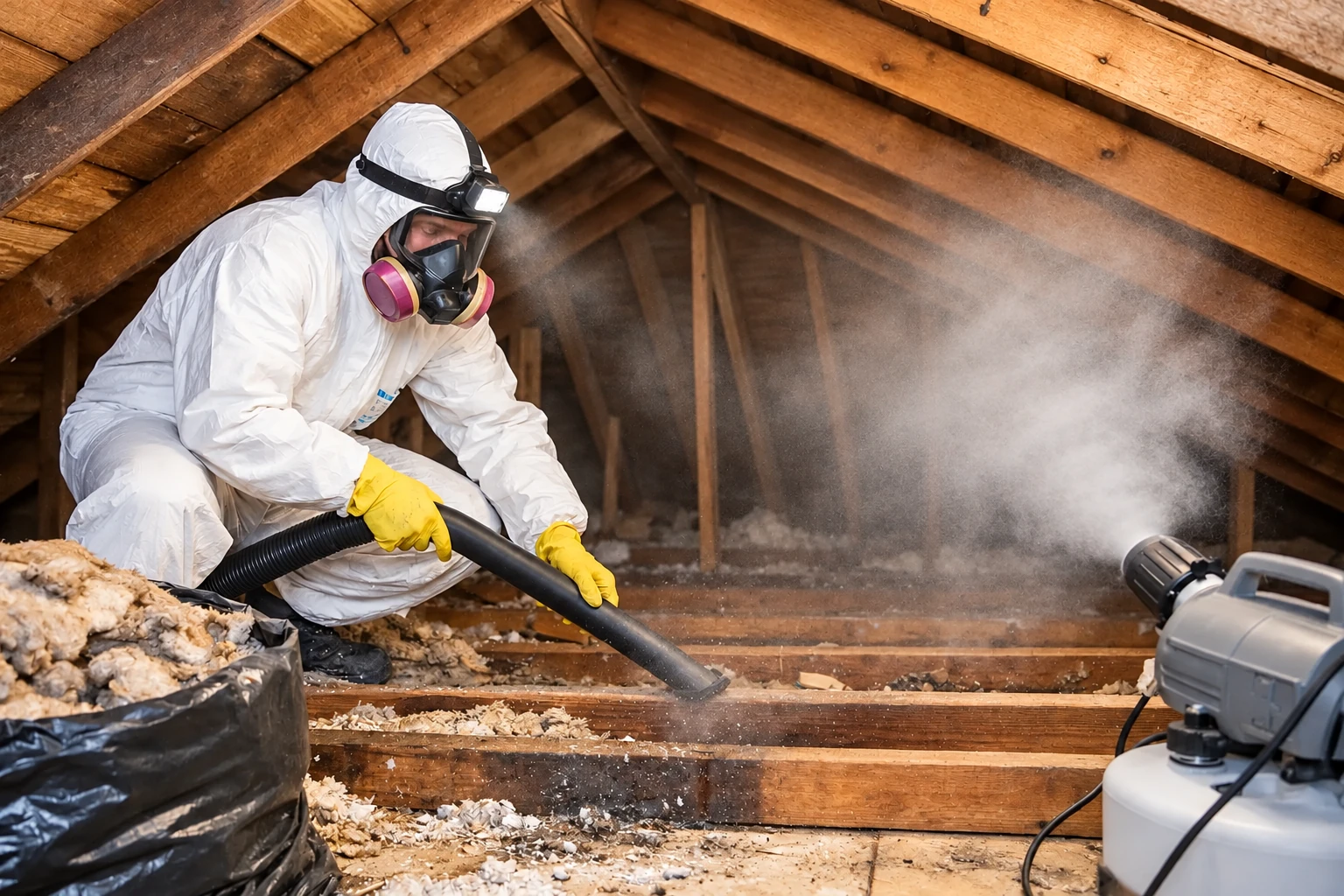
If the old layer up there is dry and clean, we can usually blow the new fill right over it. If it's been soaked by a roof leak or it's full of droppings, it has to come out first, because new insulation on top just buries the problem. That's insulation removal, and it shows on the estimate as its own step. When the attic is only part of why a room feels off, we can look at the walls and crawl space too as part of home insulation.
Get a free estimate for blown-in attic insulation
We reply within one business day, by phone or email, to set up a free on-site estimate with no obligation. I go up into the attic myself, and the written estimate lists any prep along with the insulation.
(925) 503-1068What to expect on a blown-in job
Call or send the form
Call (925) 503-1068 or send the form, and we'll set a time for me to come out. It helps to know the attic's rough square footage, whether the hatch opens into the house, and any roof leaks or vermiculite you've noticed.
I go up and look
I go into the attic or crawl space, then walk you through what I found and what I'd do first. If something has to be fixed before insulation goes in, I'll tell you the job isn't ready yet, and the written estimate lists that prep.
Our crew does the work
Our crew lead and a small crew seal the gaps first, then blow in the new insulation, cleaning up as they go. When they're done, they walk the finished attic with you so you can see what went in.
Blown-in insulation questions from Brentwood
Is blown-in insulation better than batts for my attic?
For most attics, blown-in is the better choice, because it usually costs less than batts and covers better. Loose fiberglass, rock wool or cellulose fills in around joists, wires and pipes where batts tend to leave seams. Installation costs still vary, so it's worth comparing quotes before you pick anyone.
How much does blown-in insulation cost per square foot in Brentwood?
Installing blown-in attic insulation usually runs about $4 to $7.50 per square foot across the US. That's the installed cost for attic insulation as a national figure, not a Brentwood price. Your own number comes from the written estimate after I've been up in your attic.
Does my attic need air sealing before blown-in insulation?
Yes, air sealing goes first, because once the fill is down, the gaps between the attic and the rooms below are buried and the insulation ends up fighting a draft. Sealing them saves energy, lowers fuel bills and helps keep moisture out of the attic. Can lights that aren't rated for insulation contact and airtight need covers before anything goes over them.
What gets checked in the attic before blown-in insulation goes in?
The attic gets checked for live knob and tube wiring, vermiculite, bath fans venting into the attic, roof leaks, and gas fireplaces or kerosene heaters with no vent. Vermiculite can carry asbestos, so I look for it before anything else happens. It's also when we work out how much fresh air the house needs once it's tighter, with the furnace, stove and fireplace in mind.